Why Bad Breath Returns After Brushing: How to Break the Cycle with the Right Oral Care Routine
By Therabreathstore | Published: 2026-05-28
Category: Industry News
Struggling with bad breath after brushing? Discover the root causes of halitosis and a proven fresh breath routine using TheraBreath products to break the cycle for good.
You brush your teeth thoroughly every morning and night, floss diligently, and use mouthwash—yet within an hour or two, that unpleasant taste and odor creep back. You're not alone. Millions of people experience bad breath after brushing, and the frustration can feel endless. The truth is, a standard oral care routine often fails to address the underlying causes of halitosis. In this article, we'll explore why bad breath returns, the science behind chronic bad breath, and how to build a fresh breath routine that actually works—using targeted products like TheraBreath Deep Clean Oral Rinse & Toothpaste Bundle and Fresh Breath Chewing Gum, Citrus Mint Flavor to keep your mouth feeling clean and fresh all day.
The Hidden Causes of Bad Breath After Brushing
Before you can fix the problem, you need to understand why standard brushing isn't enough. Most toothpaste and mouthwashes focus on cleaning the visible surfaces of teeth and killing some bacteria. But halitosis—especially persistent or chronic bad breath—is rarely about what's on the surface.
1. Bacteria Hide in Hard-to-Reach Areas
The human mouth is home to hundreds of types of bacteria. While some are beneficial, others produce volatile sulfur compounds (VSCs)—the primary culprits behind bad breath. These odor-causing microbes thrive in oxygen-poor environments: deep gum pockets, the back of the tongue, between teeth, and even in tonsil crypts. A standard brushing routine may disturb surface bacteria but fails to reach these hidden reservoirs. That's why even the most diligent brushers can still experience bad breath after brushing. The bacteria simply regrow and continue producing VSCs within minutes.
2. The Tongue Is Often Overlooked
Your tongue's rough, pitted surface is a perfect breeding ground for bacteria. Studies show that the tongue can harbor up to 80% of the bacteria responsible for bad breath. Many people brush their teeth but skip tongue cleaning entirely, or they use a toothbrush that merely pushes bacteria around rather than removing them. Without thorough tongue scraping, you're leaving a major source of odor untouched.
3. Dry Mouth Accelerates Bacterial Growth
Saliva is your mouth's natural cleanser—it washes away food particles, neutralizes acids, and contains antimicrobial enzymes. When saliva production slows down (a condition called xerostomia), bacteria multiply rapidly. Dry mouth can be caused by medications, mouth breathing, dehydration, or even stress. If you're prone to dry mouth, your breath will likely turn sour soon after brushing, no matter how well you clean.
4. Your Mouthwash Might Be Making Things Worse
Many commercial mouthwashes contain high levels of alcohol, which can dry out the oral tissues and disrupt the delicate balance of oral bacteria. While alcohol kills some bacteria, it also kills beneficial microbes and leaves your mouth parched—creating an environment where odor-causing bacteria can thrive. Switching to an alcohol-free, oxygenating rinse can make a dramatic difference.
Breaking the Cycle: A Multi-Step Fresh Breath Routine
To stop bad breath from returning after brushing, you need a comprehensive approach that targets the root causes. Here's a step-by-step routine that addresses hidden bacteria, dry mouth, and tongue buildup.
Step 1: Brush with a Purpose
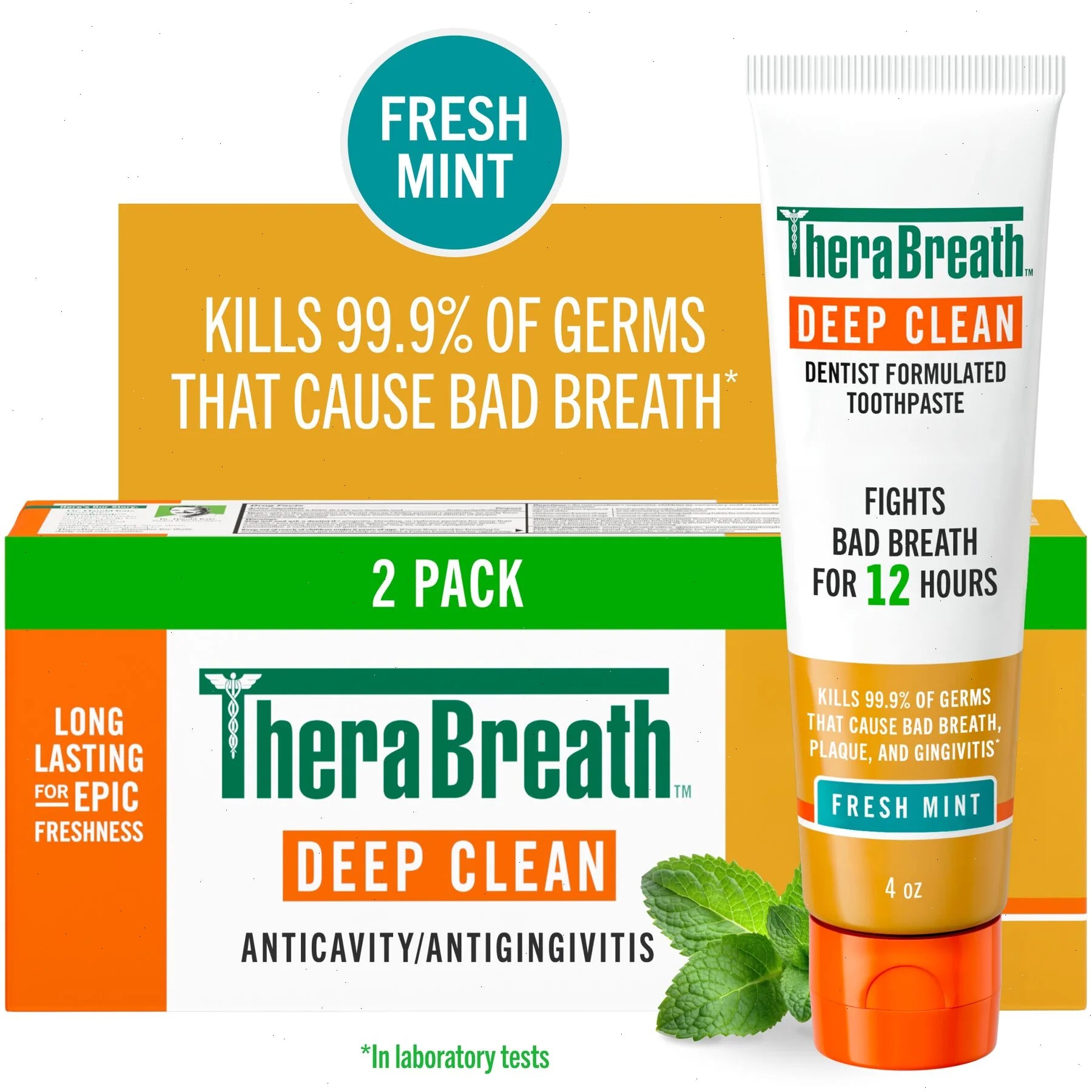
Start by choosing a toothpaste that goes beyond basic cleaning. Look for formulas that neutralize VSCs and strengthen gums. For example, combining an oxygenating rinse with a specialized toothpaste—like the one found in TheraBreath Deep Clean Oral Rinse & Toothpaste Bundle—can help attack odor-causing bacteria at the source. Brush for a full two minutes, angling the bristles toward the gumline to dislodge bacteria hiding in pockets.
Step 2: Scrape Your Tongue Every Single Time
After brushing, use a tongue scraper to remove the white or yellowish coating from the back of your tongue. This step alone can reduce bad breath by up to 50%. Rinse the scraper after each pass, and continue until the surface looks clean and pink. Follow up with an alcohol-free mouthwash to flush away any remaining debris.
Step 3: Rinse with an Oxygenating Mouthwash
Not all mouthwashes are created equal. TheraBreath's patented oxygenating technology uses activated chlorine dioxide to neutralize VSCs rather than just masking odors with minty flavors. This approach eliminates the bacteria that cause bad breath after brushing, providing long-lasting freshness. For a deep clean that reaches hidden areas, use a rinse like the one included in the Deep Clean bundle.
Step 4: Chew Sugar-Free Gum for On-the-Go Freshness
Even with a solid morning routine, breath can deteriorate during the day due to meals, coffee, or dry mouth. Chewing sugar-free gum stimulates saliva flow, which naturally cleanses the mouth. For a targeted breath boost, try Fresh Breath Chewing Gum, Citrus Mint Flavor, which is designed to freshen breath while you chew. Keep a pack in your bag or desk for quick relief after lunch or meetings.
Additional Oral Care Tips for Chronic Bad Breath
If you still struggle with halitosis after adopting the routine above, consider these extra strategies to address deeper issues.
Stay Hydrated Throughout the Day
Drink water regularly to keep saliva production high. If you have chronic dry mouth, consider using a moisturizing oral rinse or lozenge designed for xerostomia. Avoid sugary drinks and excessive caffeine, which can further dehydrate you.
Floss Daily—and Do It Correctly
Flossing removes food particles and plaque from between teeth and below the gumline—areas your toothbrush simply can't reach. Make sure to curve the floss around each tooth in a C-shape and go slightly under the gumline. If you find flossing difficult, try interdental brushes or water flossers for a more thorough clean.
Consider Your Diet
Foods like garlic, onions, and spicy dishes can cause temporary bad breath, but a diet high in sugar also feeds the bacteria that create VSCs. Eating crunchy fruits and vegetables (like apples and carrots) can help scrub teeth and stimulate saliva. Probiotic-rich foods like yogurt may also promote a healthier oral microbiome.
Visit Your Dentist Regularly
Chronic bad breath after brushing can be a sign of gum disease, tooth decay, or other oral health problems. A professional cleaning and checkup can identify and treat these issues. If your dentist rules out oral causes, they may refer you to a physician to check for sinus infections, tonsil stones, or gastrointestinal conditions.
Why TheraBreath Products Are Different
TheraBreath's approach to oral care is rooted in science. Unlike many mainstream brands that rely on alcohol-based formulas and strong artificial flavors to mask odors, TheraBreath focuses on eliminating the bacteria that cause bad breath. Their oxygenating technology creates an environment where odor-causing microbes cannot survive. Products are also free from alcohol, artificial colors, and harsh detergents, making them safe for sensitive mouths and suitable for long-term use.
For families dealing with persistent halitosis, combining a targeted rinse with a complementary toothpaste can amplify results. The TheraBreath Deep Clean Oral Rinse & Toothpaste Bundle offers a convenient, cost-effective way to start a complete fresh breath routine. And for those who need a quick fix between brushings, the Fresh Breath Chewing Gum, Citrus Mint Flavor provides a discreet, effective option.
Common Mistakes That Keep Bad Breath Coming Back
Even with the best products, small errors in your routine can undo your progress. Here are pitfalls to avoid:
- Skipping the tongue: As mentioned, the tongue is a major bacterial reservoir. Don't skip this step.
- Using too much mouthwash too quickly: Follow the recommended 30-second to 1-minute rinse time. Swishing for just a few seconds won't allow the active ingredients to work.
- Brushing too hard: Aggressive brushing can damage gums and enamel, leading to sensitivity and gum recession—which in turn creates new hiding spots for bacteria.
- Not replacing your toothbrush regularly: Old, frayed bristles are less effective at cleaning. Change your toothbrush or electric toothbrush head every three months.
- Ignoring underlying health issues: If you've optimized your routine and still have bad breath, see a healthcare professional to rule out medical causes.
The Bottom Line
Bad breath after brushing is not a sign that you're doing something wrong—it's a sign that your routine isn't complete. By targeting hidden bacteria, addressing dry mouth, and using scientifically formulated products, you can break the cycle of halitosis and enjoy fresh breath that lasts. Start with a comprehensive bundle that includes both a deep-clean rinse and a specialized toothpaste, and supplement with sugar-free gum for midday freshness. With consistency and the right approach, you'll finally say goodbye to that frustrating return of bad breath.
Ready to transform your oral care routine? Explore the TheraBreath Deep Clean Oral Rinse & Toothpaste Bundle today and take the first step toward lasting fresh breath.