TheraBreath vs. Listerine: Which Mouthwash Is Better for Gum Health and Plaque Control?
By Therabreathshop | Published: 2026-06-15
Category: Product Reviews
Compare TheraBreath and Listerine mouthwashes for gum health and plaque control. Discover key differences, ingredients, and which alcohol-free rinse is best for your oral care routine.
When it comes to choosing a mouthwash for gum health and plaque control, two names dominate the market: TheraBreath and Listerine. Both promise fresh breath and a cleaner mouth, but their formulas, ingredients, and approaches differ significantly. In this comprehensive TheraBreath vs. Listerine comparison, we’ll dive into alcohol-free mouthwash benefits, key active ingredients, and which product is better suited for sensitive gums or long-term plaque prevention. Whether you’re battling gingivitis or simply want a healthier smile, this guide will help you make an informed choice.
Why Mouthwash Matters for Gum Health and Plaque Control
Gum disease affects nearly half of adults over 30, and plaque buildup is often the root cause. While brushing and flossing are essential, a good mouthwash can reach areas your toothbrush misses, reducing bacteria and preventing calculus formation. However, not all mouthwashes are created equal. Some contain alcohol, which can dry out tissues and irritate sensitive gums. Others, like TheraBreath, use alcohol-free formulas with oxygenating compounds to neutralize bacteria without causing irritation. For anyone with receding gums, chronic dry mouth, or a history of gum inflammation, choosing the right rinse is critical.
Key Differences Between TheraBreath and Listerine
Ingredients and Alcohol Content
Listerine’s classic formulas (e.g., Original Antiseptic) rely on essential oils like thymol, eucalyptol, menthol, and methyl salicylate, combined with alcohol (up to 21.6% by volume). These oils have antibacterial properties but can cause a burning sensation and dry out the mouth over time. In contrast, TheraBreath mouthwashes are entirely alcohol-free. They use active oxygen (sodium chlorite or chlorine dioxide) to oxidize volatile sulfur compounds (VSCs) that cause bad breath, while also reducing plaque-forming bacteria. For gum health, this gentler approach is often recommended for daily use, especially if you have sensitive gums or are prone to canker sores.
Plaque Control Efficacy
Clinical studies show that both brands can reduce plaque, but through different mechanisms. Listerine’s essential oils physically disrupt bacterial cell walls and inhibit biofilm formation. TheraBreath’s oxygenating molecules break down existing biofilms and prevent bacteria from adhering to teeth and gumlines. For long-term plaque control, consistency matters. Many users find that alcohol-free rinses like Anticavity Oral Rinse - Sparkle Mint provide steady protection without the sting, encouraging twice-daily use. If plaque is a major concern, combining a pre-brush rinse with a standard mouthwash can double your defense.
Gum Health and Sensitivity
Alcohol-based mouthwashes can exacerbate gum inflammation for some individuals, particularly those with gingivitis or early periodontitis. The drying effect reduces saliva flow, which normally helps neutralize acids and wash away debris. TheraBreath’s alcohol-free approach helps maintain a moist oral environment, which is crucial for gum tissue repair. For example, Fresh Breath Oral Rinse - Rainforest Mint is a popular choice among users with sensitive gums because it provides long-lasting freshness without irritation. Listerine does offer alcohol-free versions (e.g., Listerine Zero), but they still contain essential oils that some find harsh. If you experience bleeding or tender gums, switching to a TheraBreath product may bring noticeable relief within a few weeks.
Head-to-Head Comparison: TheraBreath vs. Listerine
| Feature | TheraBreath | Listerine (Classic) |
|---|---|---|
| Alcohol content | Alcohol-free | Up to 21.6% alcohol |
| Primary active ingredient | Active oxygen (sodium chlorite/chlorine dioxide) | Essential oils (thymol, eucalyptol, menthol) |
| Plaque reduction mechanism | Oxidizes bacteria and disrupts biofilm | Essential oils disrupt bacterial cell walls |
| Suitable for sensitive gums | Very suitable; no burning sensation | May cause irritation in some users |
| Fresh breath duration | Up to 12 hours (with consistent use) | 2-4 hours (alcohol dries mouth, may worsen breath) |
| Best for | Daily use, gum health, dry mouth | Short-term plaque reduction, fresh breath |
Which One Should You Choose for Gum Health?
For individuals focused on gum health, especially those with existing sensitivity, TheraBreath is generally the superior choice. Its alcohol-free, oxygen-based formula supports a balanced oral microbiome and doesn’t strip away protective saliva. Listerine, while effective for plaque in clinical settings, can be too harsh for long-term daily use, particularly if you have receding gums or are prone to mouth sores. However, if you have robust gum health and prefer a strong antiseptic feel, Listerine may still be an option.
Personalized Recommendations
- For sensitive gums and daily plaque control: Try Whitening Fresh Breath Oral Rinse - Dazzling Mint. It combines plaque-fighting oxygen with gentle whitening agents, ideal for a complete oral care routine.
- For gum health plus cavity prevention: Use an anticavity rinse like Anticavity Oral Rinse - Sparkle Mint, which adds fluoride protection without alcohol.
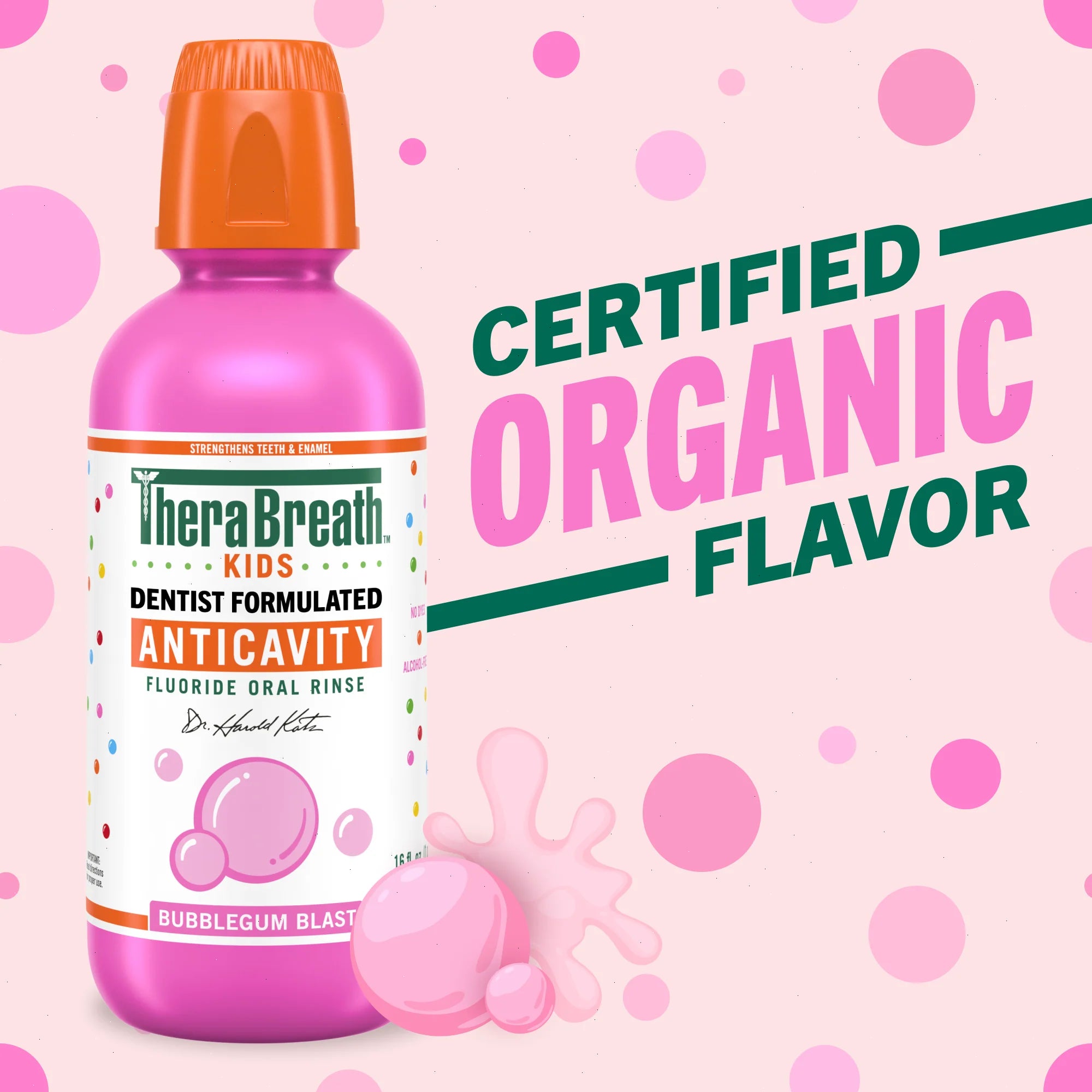
- For a family-friendly option: TheraBreath’s For Kids! Oral Rinse - Bubblegum Blast is alcohol-free and safe for children, promoting healthy gum habits early on.
- For a complete regimen: Pair your mouthwash with TheraBreath Deep Clean Toothpaste, Helps Fight Bad Breath, Fresh Mint for maximum plaque removal and gentle gum care.
How to Incorporate Mouthwash into Your Gum Health Routine
Using mouthwash effectively is just as important as which brand you choose. Here are tips for maximizing gum health benefits:
- Use mouthwash after brushing and flossing – This ensures it reaches the deepest pockets and gumlines.
- Swish for a full 60 seconds – Most rinses require at least 30 seconds, but 60 seconds provides better plaque penetration.
- Don’t rinse with water afterward – Let the active ingredients work for at least 30 minutes.
- Use twice daily – Consistency is key for both gum health and plaque control.
Final Verdict: TheraBreath vs. Listerine
After comparing ingredients, clinical evidence, and user experiences, TheraBreath wins for gum health and long-term plaque control, especially for those with sensitive gums or dry mouth concerns. Its alcohol-free, oxygen-based formula is gentle yet effective, making it suitable for daily use by the whole family. Listerine remains a powerful antiseptic for short-term use, but its high alcohol content can compromise gum health over time. If you’re looking for a mouthwash that supports your gums while keeping plaque at bay, TheraBreath is the clear choice.
Ready to upgrade your oral care routine? Explore the complete range of TheraBreath mouthwashes and find the perfect fit for your gum health needs. Start with TheraBreath AM + PM Mouthwash Bundle to address morning breath and nighttime plaque buildup with one convenient set. Your gums will thank you!