The Science Behind Alcohol-Free Mouthwash: Why It’s Better for Your Oral Microbiome
By Therabreathshop | Published: 2026-06-11
Category: Industry News
Discover the science of alcohol-free mouthwash and how it supports a healthy oral microbiome. Learn why TheraBreath’s formulas protect good bacteria while fighting bad breath.
For decades, conventional mouthwashes have been marketed as the ultimate solution for killing germs and delivering a crisp, tingling sensation. But as oral health science evolves, researchers have uncovered a critical flaw in those alcohol-laden rinses: they don’t discriminate between harmful and beneficial bacteria. In fact, alcohol-based mouthwashes can disrupt the delicate oral microbiome—the ecosystem of microbes that plays a vital role in everything from cavity prevention to fresh breath. This article explores the science behind alcohol-free mouthwash benefits, explains how it supports healthy mouth bacteria, and shows why products like Deep Clean Oral Rinse - Fresh Mint and Whitening Fresh Breath Oral Rinse - Dazzling Mint are better choices for your long-term oral health.
Understanding the Oral Microbiome: A Delicate Balance
The human mouth is home to over 700 species of bacteria, fungi, and viruses, collectively known as the oral microbiome. This ecosystem exists in a careful balance: some bacteria help break down food, protect enamel, and prevent harmful pathogens from taking over. Others, like Streptococcus mutans and Porphyromonas gingivalis, can contribute to cavities, gum disease, and halitosis when they overpopulate. A healthy oral microbiome is characterized by microbial diversity—not zero bacteria. Alcohol-based mouthwashes, with their high ethanol content (typically 20–27%), act like chemical bombs, wiping out nearly all bacteria indiscriminately. This creates a vacuum that allows opportunistic pathogens to recolonize more aggressively, often leading to worse breath and gum issues over time.
How Alcohol Disrupts the Oral Ecosystem
When you swish with an alcohol-based rinse, you are essentially applying a solvent that dehydrates oral tissues and alters the pH of your mouth. This action kills both beneficial and harmful bacteria. Studies have shown that routine use of alcohol mouthwash can reduce the abundance of Neisseria and Prevotella species—two groups that help maintain oral homeostasis. Additionally, alcohol can damage the protective mucus layer that coats your gums and cheeks, leaving soft tissues more vulnerable to irritation. Over time, this disruption has been linked to an increased risk of dry mouth, bad breath, and even gum recession. The mouthwash science is clear: a balanced microbiome is more resilient and healthier than one that is constantly reset by harsh antiseptics.
Why Alcohol-Free Mouthwash Benefits Your Health
Alcohol-free mouthwashes use alternative antimicrobial agents—such as cetylpyridinium chloride (CPC), essential oils, or oxygenating compounds—that are selective in their action. For example, TheraBreath’s patented OXYD-8 formula (a stabilized chlorine dioxide compound) targets volatile sulfur compounds (VSCs) that cause bad breath, without destroying the beneficial bacteria that keep your mouth healthy. This approach aligns with the latest scientific understanding: healthy mouth bacteria should be preserved, not eliminated. Alcohol-free rinses also maintain hydration, support saliva production, and have a neutral pH, all of which are essential for microbial balance.
Selective Targeting of Bad Breath Compounds
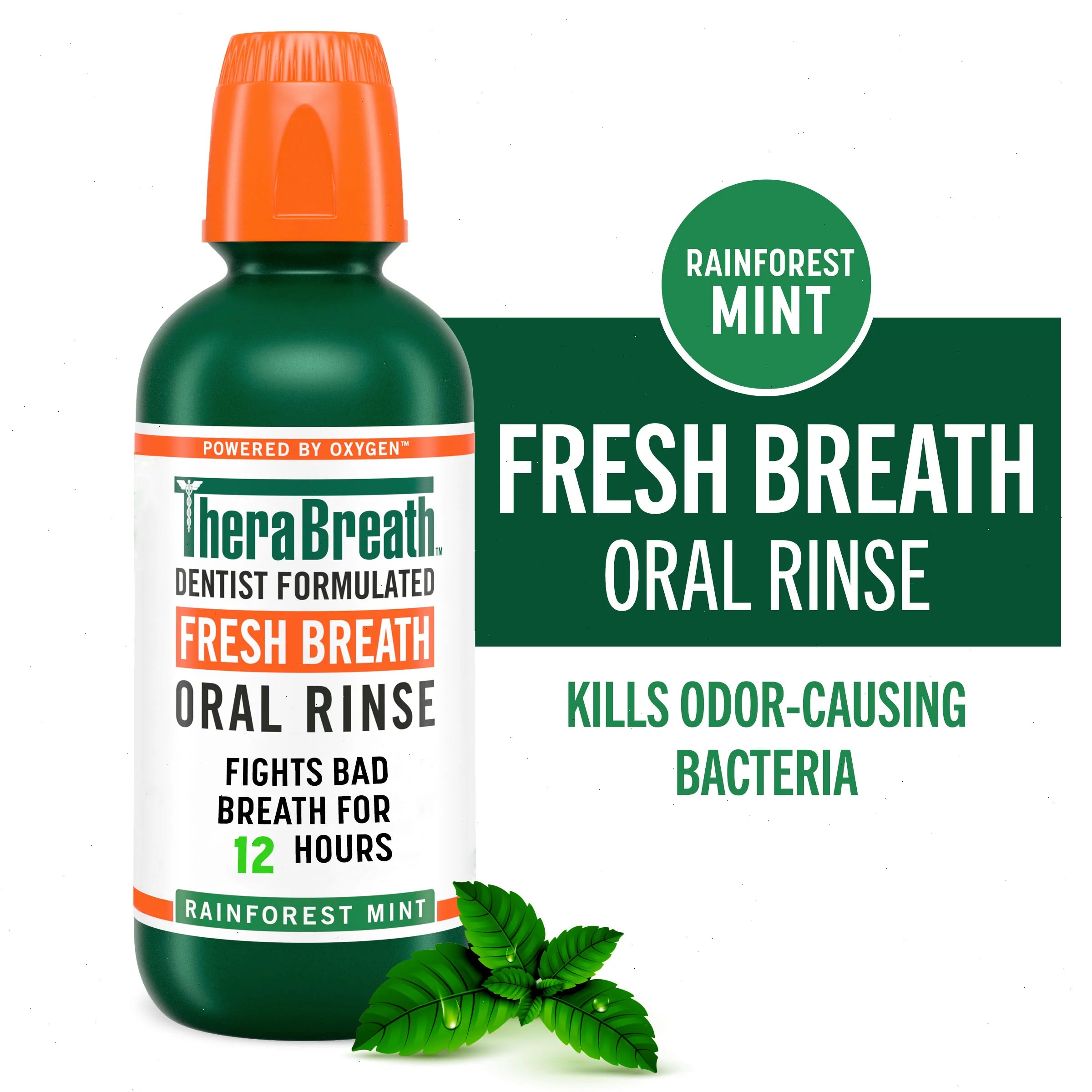
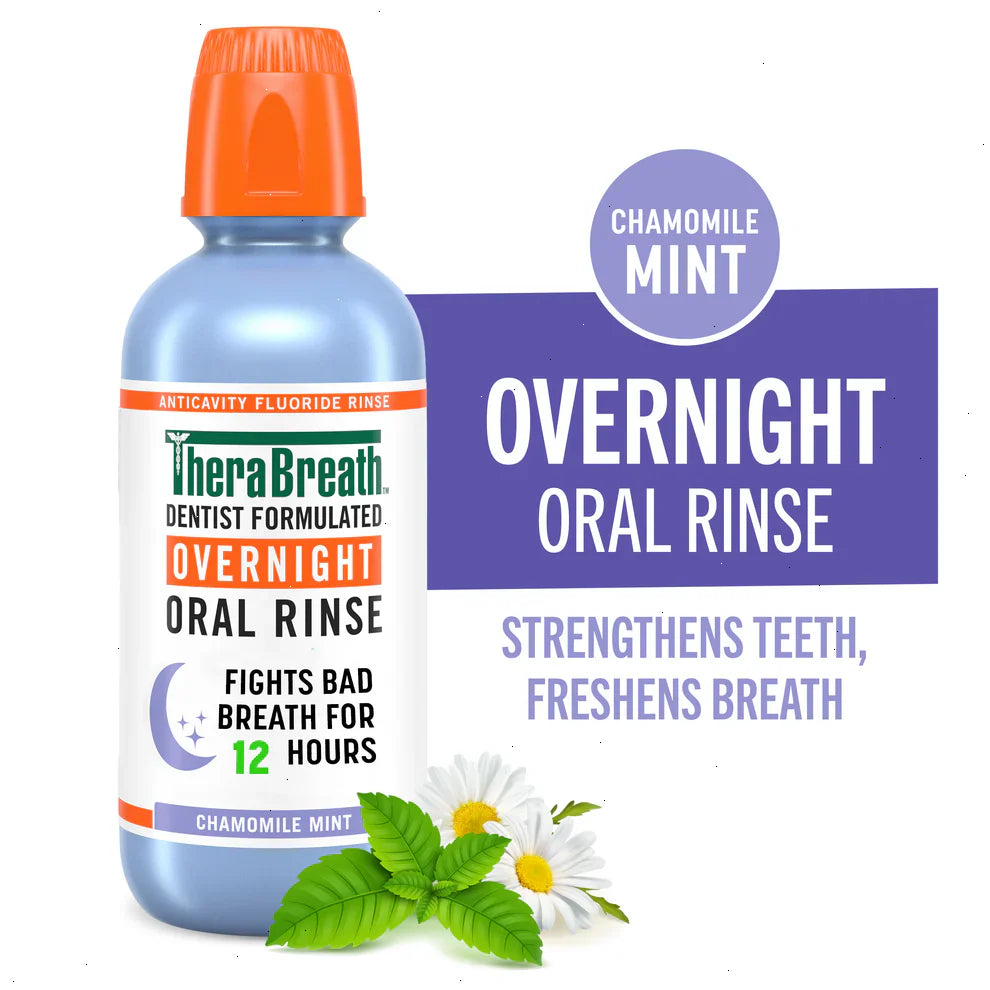
Bad breath is primarily caused by anaerobic bacteria that break down proteins and release VSCs like hydrogen sulfide and methyl mercaptan. Alcohol-free formulas like Overnight Oral Rinse - Chamomile Mint are designed to neutralize these compounds rather than kill the bacteria that produce them. By binding to VSCs and rendering them odorless, these rinses provide fresh breath without collateral damage to the microbiome. This is a key distinction: you don’t need to sterilize your mouth to achieve long-lasting freshness.
Alcohol vs Alcohol-Free Mouthwash: A Scientific Comparison
To help you understand the differences, here is a side-by-side comparison of alcohol-based and alcohol-free mouthwashes based on key scientific parameters:
| Parameter | Alcohol-Based Mouthwash | Alcohol-Free Mouthwash |
|---|---|---|
| Effect on oral microbiome | Broad-spectrum killing; reduces microbial diversity | Selective; preserves beneficial bacteria |
| Moisture retention | Dries oral tissues; may worsen dry mouth | Hydrates and supports saliva flow |
| pH impact | Acidic (alcohol can lower pH) | Neutral or slightly alkaline; enamel-friendly |
| Fresh breath duration | Short-term; masking effect | Longer-lasting by neutralizing VSCs |
| Safety for long-term use | Linked to dry mouth, irritation, and potential microbiome disruption | Clinically studied for daily use without side effects |
As the table shows, alcohol-free mouthwashes offer a more balanced approach. They align with the principle of oral microbiome support, which is increasingly recommended by dentists and researchers for maintaining gum health and preventing chronic halitosis.
Clinical Evidence Supporting Alcohol-Free Formulas
Several peer-reviewed studies underscore the advantages of alcohol-free mouthwashes. A 2018 clinical trial published in the Journal of Clinical Periodontology found that patients using an alcohol-free CPC-based rinse experienced a 29% reduction in plaque and a 35% reduction in gingival bleeding after six months, compared to only 18% and 22% reductions in the alcohol-based group. Another study in BMC Oral Health (2020) showed that alcohol-free rinses did not significantly alter the salivary microbiome diversity, while alcohol-based rinses caused a 40% drop in bacterial richness after just two weeks. These findings highlight that alcohol-free mouthwash benefits extend beyond fresh breath—they support the structural integrity of your oral ecosystem.
Why Dry Mouth Is a Warning Sign
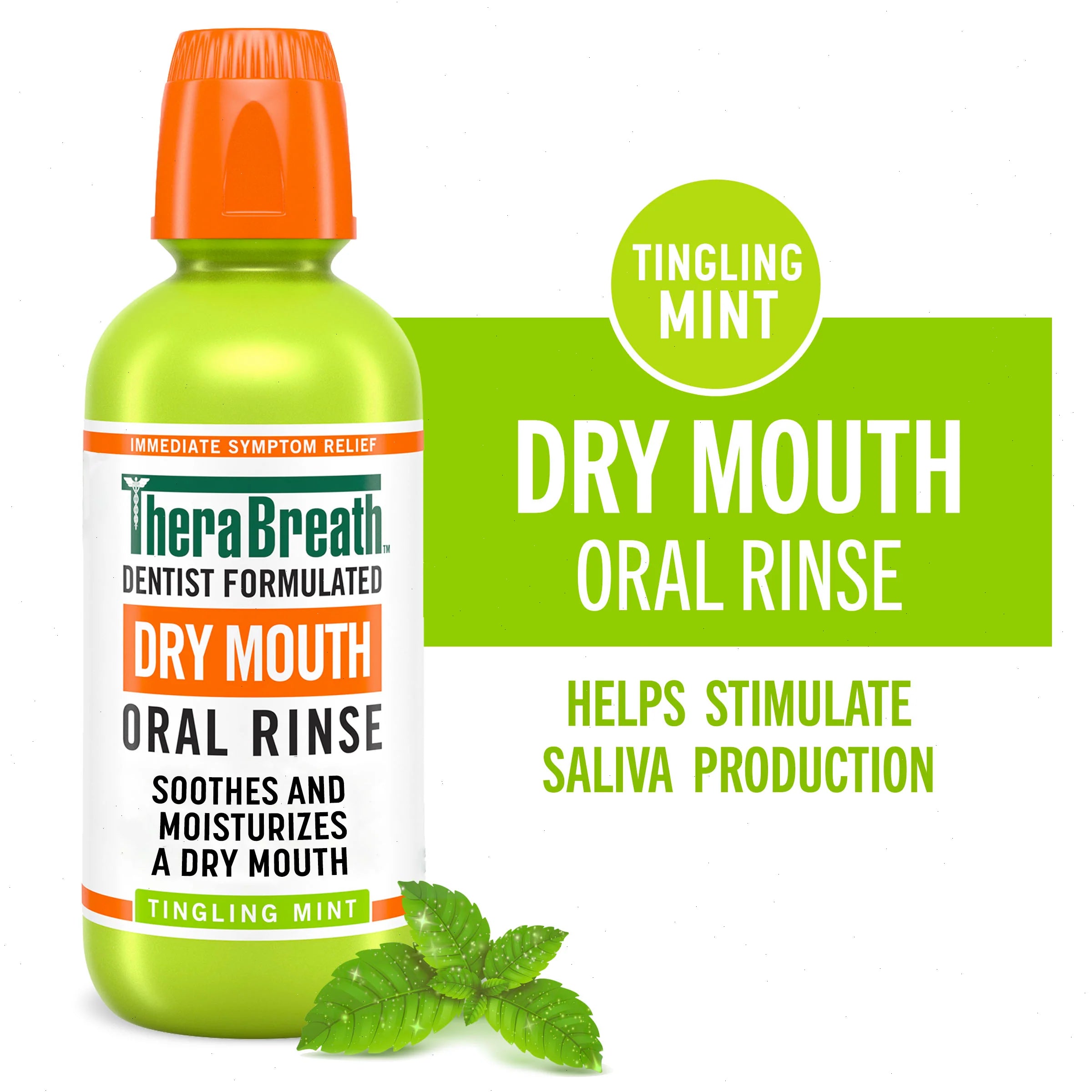
Dry mouth (xerostomia) is a common side effect of alcohol-based mouthwashes, and it’s more than just uncomfortable. Saliva is your mouth’s first line of defense—it contains enzymes that neutralize acids, wash away food particles, and deliver antimicrobial proteins. When alcohol dries out your mouth, saliva production drops, and harmful bacteria can thrive. This creates a vicious cycle: dry mouth leads to bad breath, which leads to more mouthwash use, which worsens dryness. Alcohol-free options like Dry Mouth Lozenges - Mandarin Mint can help stimulate saliva naturally, complementing a rinse routine that preserves moisture.
How to Choose the Right Alcohol-Free Mouthwash
When selecting an alcohol-free mouthwash, look for ingredients that are gentle yet effective. TheraBreath’s line, for example, is free from alcohol, artificial colors, and sulfates, making it suitable for sensitive mouths. Here are a few considerations:
- Target your needs: If you’re concerned about plaque, choose a rinse with CPC or oxygenating agents. For whitening, look for formulas that include natural abrasives or hydrogen peroxide in low concentrations.
- Check for pH balance: A neutral pH (around 7) is ideal to avoid enamel erosion.
- Consider your microbiome: Avoid antiseptics like chlorhexidine for daily use—it’s too aggressive for routine maintenance.
- Pair with complementary products: For complete care, combine your mouthwash with sugar-free gum or lozenges to maintain fresh breath throughout the day.
Practical Tips for Incorporating Alcohol-Free Mouthwash into Your Routine
To maximize the mouthwash science and support your oral microbiome, follow these steps:
- Brush and floss first to remove plaque and food debris. Mouthwash should be an adjunct, not a replacement.
- Pour the recommended amount (usually 15–20 ml) and swish for 30–60 seconds. Do not dilute with water, as this reduces efficacy.
- Avoid eating or drinking for at least 30 minutes after rinsing to allow active ingredients to work.
- Use mouthwash twice daily, but consider alternating with a plain water rinse if you have a history of dry mouth.
- Store your mouthwash in a cool, dark place to maintain stability—especially oxygen-based formulas.
The Bigger Picture: Oral Microbiome and Systemic Health
The health of your oral microbiome doesn’t just affect your breath and gums—it influences your entire body. Research has linked an imbalanced oral microbiome to cardiovascular disease, diabetes, respiratory infections, and even Alzheimer’s disease. By choosing an alcohol-free mouthwash, you are taking a proactive step toward systemic wellness. TheraBreath’s Oral Care Obsessed TheraBreath Mouthwash Bundle is an excellent way to stock up on alcohol-free rinses that support both oral and overall health, while saving money.
Conclusion: Make the Switch to Alcohol-Free for a Healthier Mouth
The science is compelling: alcohol-free mouthwash supports a thriving oral microbiome, preserves beneficial bacteria, and provides long-lasting fresh breath without the side effects of alcohol. Whether you’re battling chronic bad breath, sensitive gums, or simply want to maintain a healthy smile, switching to an alcohol-free formula is one of the best decisions you can make for your oral health. TheraBreath’s clinically tested, dentist-recommended products are designed with the microbiome in mind—offering effective, gentle care that works with your body, not against it.
Ready to experience the difference for yourself? Explore the Deep Clean Oral Rinse - Fresh Mint today and give your oral microbiome the support it deserves.