Mouthwash vs. Lozenges for Dry Mouth: Which Provides Better Relief?
By Therabreathstore | Published: 2026-05-31
Category: Product Reviews
Compare mouthwash and lozenges for dry mouth relief. Learn which product works best for your symptoms, key ingredients, and how to choose the right dry mouth treatment.
Dry mouth, or xerostomia, affects millions of people worldwide, causing discomfort, difficulty speaking, and increased risk of cavities. When seeking relief, many turn to two common solutions: mouthwash and lozenges. But which option actually delivers better, longer-lasting moisture? In this detailed comparison, we’ll explore the pros and cons of mouthwash vs. lozenges for dry mouth relief, helping you make an informed choice for your oral health.
Understanding Dry Mouth: Why Relief Matters
Dry mouth occurs when your salivary glands don’t produce enough saliva. Saliva is essential for neutralizing acids, washing away food particles, and preventing bacterial overgrowth. Without it, you may experience persistent bad breath, a sticky feeling in the mouth, cracked lips, and an increased risk of gum disease. The right dry mouth treatment can restore comfort and protect your teeth and gums.
Both mouthwash and lozenges are designed to stimulate saliva flow or provide temporary lubrication. However, they work in different ways and suit different needs. Let’s break down the science behind each option.
Mouthwash for Dry Mouth: How It Works
Dry mouth mouthwashes are typically alcohol-free formulations that contain moisturizing agents like xylitol, glycerin, or aloe vera. They are swished around the mouth for 30–60 seconds, coating the tissues and providing immediate relief. Some mouthwashes also contain ingredients like cetylpyridinium chloride (CPC) to fight bacteria that cause bad breath—a common companion of dry mouth.
Pros of Using Mouthwash
- Broad coverage: Mouthwash reaches every corner of the mouth, including the back of the throat and gums.
- Longer-lasting hydration: A quality mouthwash can leave a protective film that keeps the mouth moist for up to an hour.
- Additional benefits: Many mouthwashes also freshen breath, reduce plaque, and support gum health.
- Easy to use: Simply swish and spit—no need to dissolve or chew.
Cons of Using Mouthwash
- Not always portable: Carrying a full bottle of mouthwash can be inconvenient.
- Can cause irritation: Some people find that frequent rinsing dries out the mouth further if the rinse contains harsh ingredients.
- Taste sensitivity: Strong flavors may be off-putting for some users.
For those who prefer a complete oral care solution, consider the TheraBreath Complete Mouthwash, 6-in-1 Benefits, Alcohol-Free, Revitalizing Mint. This formula not only provides dry mouth relief but also fights plaque, strengthens enamel, and freshens breath—all without alcohol.
Lozenges for Dry Mouth: How They Compare
Dry mouth lozenges are dissolvable tablets or pastilles that stimulate saliva production as they dissolve in the mouth. They often contain xylitol, citric acid, or malic acid to trigger the salivary reflex. Lozenges are a portable, discreet option for on-the-go relief.
Pros of Using Lozenges
- Portability: Lozenges fit easily in a pocket or purse, making them ideal for travel or work.
- Immediate saliva stimulation: The act of sucking triggers natural saliva flow, which can be more effective than a rinse for some people.
- No rinsing required: You can use a lozenge anytime, anywhere, without a sink.
- Long-lasting effect: Some lozenges provide relief for 30–60 minutes as they dissolve slowly.
Cons of Using Lozenges
- Limited coverage: Lozenges primarily affect the area around the tongue and cheeks, not the entire mouth.
- Frequent use: You may need multiple lozenges per day for continuous relief.
- Potential for sugar or acid: Some lozenges contain sugar or citric acid, which can erode enamel if used excessively.
- Not a replacement for oral care: Lozenges don’t clean the mouth or provide antibacterial benefits.
While lozenges are convenient, they should be used as a supplement to a comprehensive oral care routine, not as a standalone solution.
Mouthwash vs. Lozenges: A Side-by-Side Comparison
| Feature | Mouthwash | Lozenges |
|---|---|---|
| Primary mechanism | Coats and moisturizes oral tissues | Stimulates natural saliva production |
| Duration of relief | ~30–60 minutes | ~20–40 minutes |
| Portability | Low (bottle required) | High (pocket-sized) |
| Additional benefits | Freshens breath, fights bacteria | Minimal; mostly moisture only |
| Best for | Morning/night routine, home use | On-the-go, work, travel |
| Risk of irritation | Low with alcohol-free formulas | Low, but sugar/acid can harm teeth |
Key Ingredients to Look For in Dry Mouth Products
Whether you choose mouthwash or lozenges, the ingredients matter. Here are the most effective compounds for dry mouth relief:
- Xylitol: A natural sweetener that helps prevent cavities and stimulates saliva.
- Glycerin: A humectant that attracts moisture and keeps tissues hydrated.
- Aloe vera: Soothes irritated oral tissues.
- Fluoride: Strengthens enamel and reduces decay risk—especially important when saliva is low.
- CPC: An antibacterial agent that fights bad breath-causing bacteria.
For a mouthwash that combines multiple benefits, the TheraBreath AM + PM Mouthwash Bundle, Morning & Overnight Rinses, 16 fl oz, 2-Pack offers a tailored approach for dry mouth sufferers. The morning rinse uses oxygenating technology to fight bacteria, while the overnight rinse provides extended moisture during sleep.
Which Dry Mouth Treatment Is Right for You?
The choice between mouthwash and lozenges depends on your lifestyle and severity of symptoms. Here’s a quick guide:
Choose Mouthwash If:
- You experience dry mouth primarily at home or during your morning/night routine.
- You want comprehensive oral care benefits beyond moisture (e.g., breath freshening, gum protection).
- You prefer a single product that covers the entire mouth.
Choose Lozenges If:
- You need relief on the go—during meetings, flights, or errands.
- You have mild intermittent dry mouth that doesn’t require full rinsing.
- You dislike the taste or texture of mouthwash.
For many people, the best strategy is to use both: mouthwash at home for deep, lasting relief, and lozenges for quick fixes during the day. This combination ensures you’re covered no matter where you are.
Additional Tips for Managing Dry Mouth
Beyond mouthwash and lozenges, consider these lifestyle changes to improve your oral moisture:
- Drink water regularly throughout the day.
- Chew sugar-free gum (with xylitol) to stimulate saliva.
- Avoid caffeine, alcohol, and tobacco, which can worsen dryness.
- Use a humidifier in your bedroom at night.
- Brush with a fluoride toothpaste and floss daily to protect against cavities.
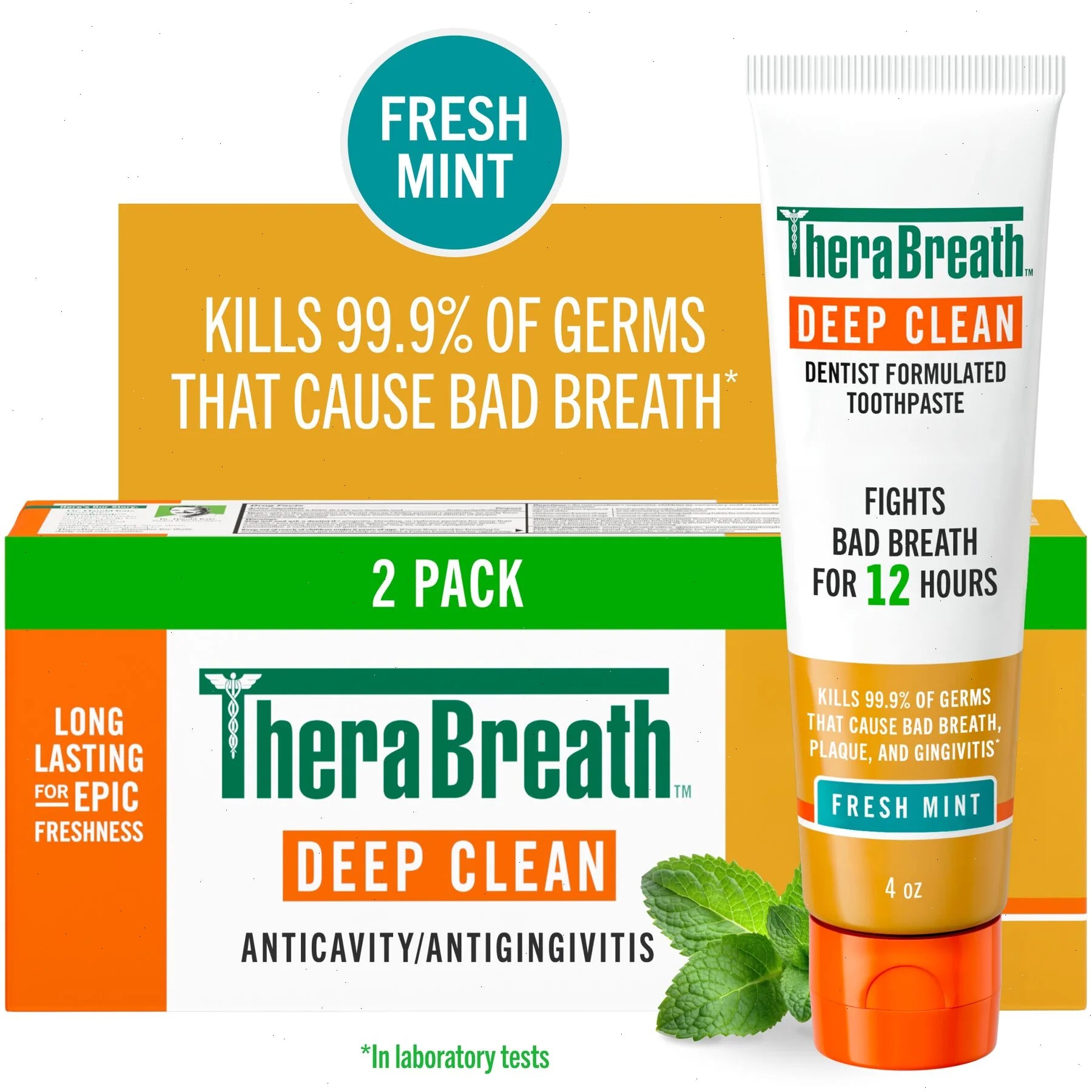
Incorporating a quality toothpaste into your routine also supports dry mouth management. The TheraBreath Deep Clean Toothpaste, Helps Fight Bad Breath, Fresh Mint contains fluoride and oxygenating compounds that help neutralize odor-causing bacteria while keeping your mouth clean and fresh.
Conclusion: The Verdict on Mouthwash vs. Lozenges
Both mouthwash and lozenges have their place in a dry mouth treatment plan. Mouthwash offers superior coverage and additional oral health benefits, making it ideal for regular use. Lozenges provide unmatched convenience for immediate relief on the go. For the most effective relief, combine a high-quality alcohol-free mouthwash with sugar-free lozenges and good hydration habits.
If you’re ready to experience lasting dry mouth relief, start with a trusted alcohol-free mouthwash. Explore the TheraBreath Complete Mouthwash, 6-in-1 Benefits, Alcohol-Free, Revitalizing Mint today—it’s designed to soothe dry mouth, fight bacteria, and keep your breath fresh all day long.