Mouthwash for Braces Wearers: What to Look For and Avoid
By Therabreathstore | Published: 2026-05-28
Category: How-to Guides
Discover the best mouthwash for braces, including alcohol-free options and orthodontic-friendly rinses. Learn what ingredients to avoid and how to maintain fresh breath and healthy gums during treatment.
Braces are a powerful investment in your smile, but they also create new challenges for oral hygiene. Food particles get trapped, plaque builds up around brackets and wires, and bad breath can become a persistent problem. The right mouthwash for braces can make a significant difference, helping to flush out debris, reduce bacteria, and keep your gums healthy. But not every rinse is safe or effective for orthodontic patients. In this guide, we’ll walk you through exactly what to look for—and what to avoid—when choosing a mouthwash for braces, so you can keep your breath fresh and your treatment on track.
Why Braces Require Special Oral Care
Braces create dozens of tiny crevices where food and bacteria can hide. Even with diligent brushing and flossing, it’s nearly impossible to remove every particle. That’s where an orthodontic mouthwash comes in. A good rinse can reach areas your toothbrush misses, reduce plaque buildup around brackets, and neutralize the acids that cause enamel demineralization and white spots. Additionally, many braces wearers experience gum inflammation or gingivitis due to the extra effort required to clean around hardware. Using a mouthwash for braces that targets gum health can help prevent these complications.
Key Ingredients to Look For in a Mouthwash for Braces
When shopping for an orthodontic mouthwash, focus on formulations that support cleaning, gum health, and fresh breath without damaging brackets or wires. Here are the ingredients to prioritize:
- Fluoride: Essential for remineralizing enamel and preventing cavities, especially around brackets where brushing is difficult. Look for a rinse with 0.05% sodium fluoride for daily use.
- Cetylpyridinium Chloride (CPC): An antibacterial agent that helps reduce plaque and gingivitis. It’s gentle on orthodontic hardware and effective against bad breath.
- Xylitol: A natural sweetener that inhibits the growth of cavity-causing bacteria. It’s safe for braces and helps maintain a neutral pH in the mouth.
- Essential Oils (like eucalyptol or thymol): These can provide antibacterial benefits, but ensure the product is alcohol-free to avoid drying out oral tissues and causing irritation.
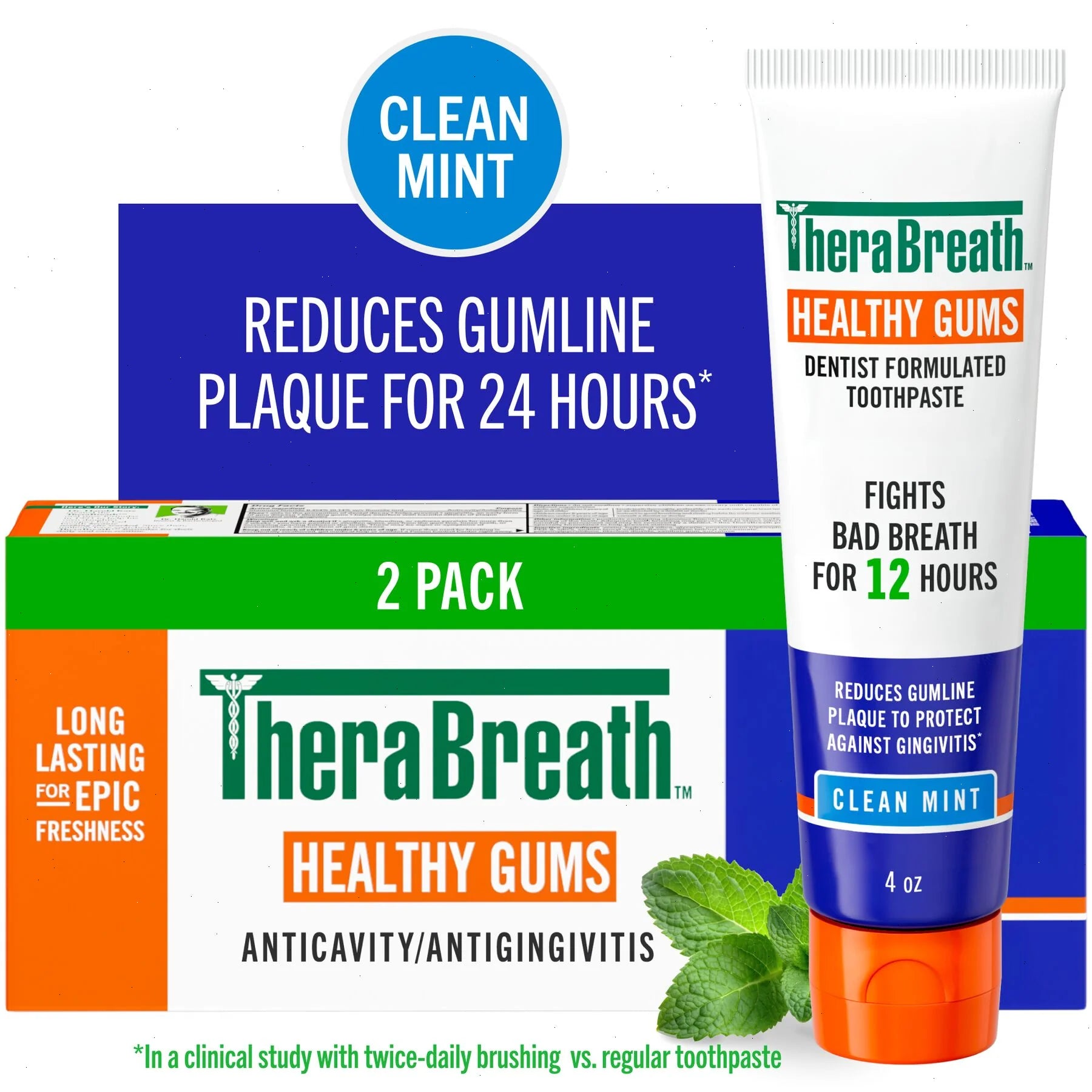
Products like TheraBreath Healthy Gums Toothpaste, Helps Fight Gingivitis, Clean Mint paired with a compatible rinse can offer comprehensive care. For an alcohol-free option that freshens breath without stinging, consider Plaque Control Pre-Brush Oral Rinse - Refreshing Mint Flavor, which helps dislodge debris before brushing.
Ingredients to Avoid in Mouthwash for Braces
Equally important is knowing what to avoid. Some common mouthwash ingredients can harm your braces or worsen oral health during treatment.
| Avoid This Ingredient | Why It’s a Problem for Braces Wearers |
|---|---|
| Alcohol (ethanol) | Dries out the mouth, reduces saliva flow, and can irritate gums already tender from braces. Dry mouth increases cavity risk and bad breath. |
| Strong acids (citric acid, acetic acid) | Can soften enamel and increase the risk of white spots around brackets, especially if used frequently. |
| Hydrogen Peroxide (high concentration) | May cause gum irritation and temporary whitening of teeth, but can also irritate soft tissues when braces create friction. |
| Artificial coloring | No direct harm to braces, but can stain elastics or clear aligner attachments over time. |
Always choose a mouthwash that is labeled alcohol-free and pH-balanced (ideally between 6.5 and 7.5). This ensures it’s gentle enough for daily use without compromising your orthodontic treatment.
How to Use Mouthwash Effectively with Braces
Using mouthwash for braces correctly is just as important as choosing the right product. Follow these steps for maximum benefit:
- Brush and floss first: Remove as much food and plaque as possible before rinsing. This allows the mouthwash to reach the areas where it’s needed most.
- Measure the correct dose: Use the cap to pour the recommended amount (usually 10-15 ml). Do not dilute unless directed.
- Swish for at least 60 seconds: Move the liquid vigorously between your teeth and around brackets. Try to push it through the spaces between wires and gums.
- Spit, don’t rinse: Avoid rinsing with water after spitting out the mouthwash. This leaves the active ingredients on your teeth and gums for longer protection.
- Wait 30 minutes before eating or drinking: This allows fluoride and antibacterial agents to fully absorb.
For added convenience, you can carry a travel-sized rinse for midday freshening after meals. Many orthodontists recommend using a mouthwash for braces at least twice a day—morning and night—and after any meal where you can’t brush immediately.
Common Mistakes Braces Wearers Make with Mouthwash
Avoid these pitfalls to get the most out of your oral rinse:
- Using a whitening mouthwash too often: Some whitening rinses contain acidic ingredients that can weaken enamel around brackets. Stick to gentle, non-whitening options during active treatment.
- Over-using mouthwash: More than 2-3 times a day can disrupt your oral microbiome and lead to dry mouth or irritation.
- Skipping flossing because you rinse: Mouthwash cannot remove plaque between teeth or under wires—flossing is still essential.
- Choosing a mouthwash with a strong mint or menthol: These can cause a burning sensation if your gums are already sensitive from braces. Opt for mild flavors like clean mint or mild mint.
Why Alcohol-Free Mouthwash Is the Best Choice for Braces
Alcohol-free mouthwash for braces is a non-negotiable recommendation from orthodontists. Alcohol-based rinses can cause a burning sensation, dry out your mouth, and reduce the protective benefits of saliva. Saliva is your mouth’s natural defense against cavities and gum disease, and braces wearers already have a higher risk of both. By choosing an alcohol-free formula, you keep your mouth hydrated and your gums comfortable. Look for rinses that contain fluoride and CPC for the best protection.
Fresh Breath with Braces: Tips Beyond Mouthwash
While a good mouthwash for braces helps, fresh breath also depends on your overall routine. Here are extra tips to keep your breath fresh all day:
- Stay hydrated: Drink plenty of water to help wash away food particles and prevent dry mouth.
- Clean your tongue: Use a tongue scraper or your toothbrush to remove bacteria that cause bad breath.
- Use a water flosser: This can blast out debris from brackets and wires more effectively than string floss alone.
- Avoid smelly foods: Onions, garlic, and spicy foods can linger longer when they get trapped in braces.
- Chew sugar-free gum: If your orthodontist approves, sugar-free gum with xylitol can stimulate saliva and freshen breath.
Putting It All Together: Your Braces Oral Care Routine
To maximize the benefits of your mouthwash for braces, combine it with the right toothpaste and flossing technique. A complete routine might look like this:
- Morning: Brush with a fluoride toothpaste, floss (or use a water flosser), then rinse with an alcohol-free mouthwash for 60 seconds.
- After meals (if possible): Rinse with water or a fluoride mouthwash to dislodge food.
- Night: Brush carefully around brackets, floss thoroughly, and use mouthwash for braces to protect your teeth overnight.
Consistency is key. Even the best mouthwash won’t work miracles if you skip brushing and flossing.
Final Thoughts
Choosing the right mouthwash for braces doesn’t have to be complicated. Focus on alcohol-free, fluoride-rich formulas that support gum health and fresh breath. Avoid harsh chemicals and acidic ingredients that can damage enamel or irritate sensitive gums. With the right products and a diligent routine, you can keep your breath fresh, your teeth healthy, and your braces working as effectively as possible.
Ready to upgrade your braces oral care? Explore our Plaque Control Pre-Brush Oral Rinse - Refreshing Mint Flavor to start your alcohol-free, orthodontic-friendly routine today.