Is Mouthwash Safe for Kids? A Dentist-Approved Guide to Children’s Oral Rinses
By Therabreathstore | Published: 2026-05-25
Category: Industry News
Discover when kids can safely use mouthwash, how to choose a children's oral rinse, and dentist-approved tips for introducing alcohol-free rinses to your child's routine.
As a parent, you want the best for your child's health—including their smile. But when it comes to introducing mouthwash into a child's oral care routine, many caregivers wonder: Is mouthwash safe for kids? The answer isn't a simple yes or no. It depends on the child's age, the type of product, and how it's used. In this dentist-approved guide, we'll explore the safety of children's oral rinses, when to start, and which products are best for young smiles.
When Can Kids Start Using Mouthwash?
The American Dental Association (ADA) recommends that children under the age of 6 should not use mouthwash, unless specifically directed by a dentist. Why? Young children have a natural tendency to swallow liquids, and swallowing mouthwash can lead to fluoride ingestion, which may cause dental fluorosis (white spots on teeth) or stomach upset. For children ages 6 to 12, mouthwash can be introduced under adult supervision, especially if they can reliably spit it out. By age 12 or older, most kids can use mouthwash independently, but supervision is still wise.
Key Safety Milestones by Age
| Age | Mouthwash Use Recommendation |
|---|---|
| Under 6 years | Not recommended unless prescribed by a dentist. Focus on brushing with fluoride toothpaste. |
| 6–12 years | Can use alcohol-free mouthwash with adult supervision. Teach spitting, not swallowing. |
| 12+ years | Can use mouthwash independently, but choose age-appropriate, alcohol-free formulas. |
What Makes a Mouthwash Safe for Kids?
Not all mouthwashes are created equal, especially for children. The most important factor is alcohol content. Adult mouthwashes often contain alcohol (ethanol) at concentrations up to 26%, which can be harmful if swallowed. Alcohol-free mouthwashes are much safer because they rely on other antimicrobial agents like cetylpyridinium chloride, essential oils, or chlorine dioxide. Additionally, look for products with lower fluoride levels (if any) and a flavor that encourages compliance without overwhelming the child's palate.
What to Look For in a Children’s Oral Rinse
- Alcohol-free formula — reduces the risk of toxicity if swallowed.
- Mild flavor — kids prefer fruity or minty but not harsh tastes.
- Fluoride content — optional; if using fluoride toothpaste, an additional fluoride rinse may not be necessary.
- ADA Seal of Acceptance — indicates the product has been tested for safety and efficacy.
- Child-friendly packaging — easy-to-hold bottles and clear dosage instructions.
Dentist-Recommended Products for Kids
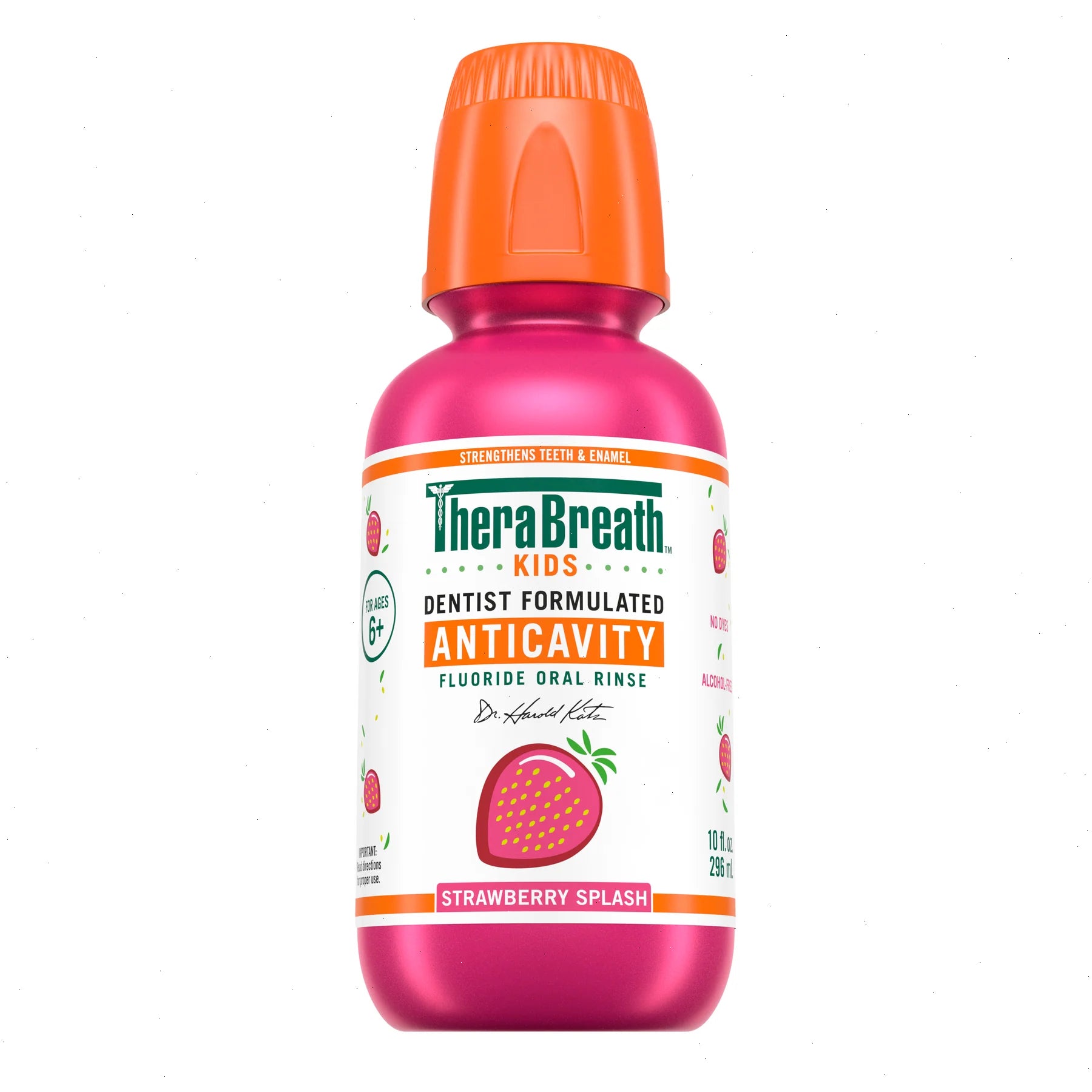
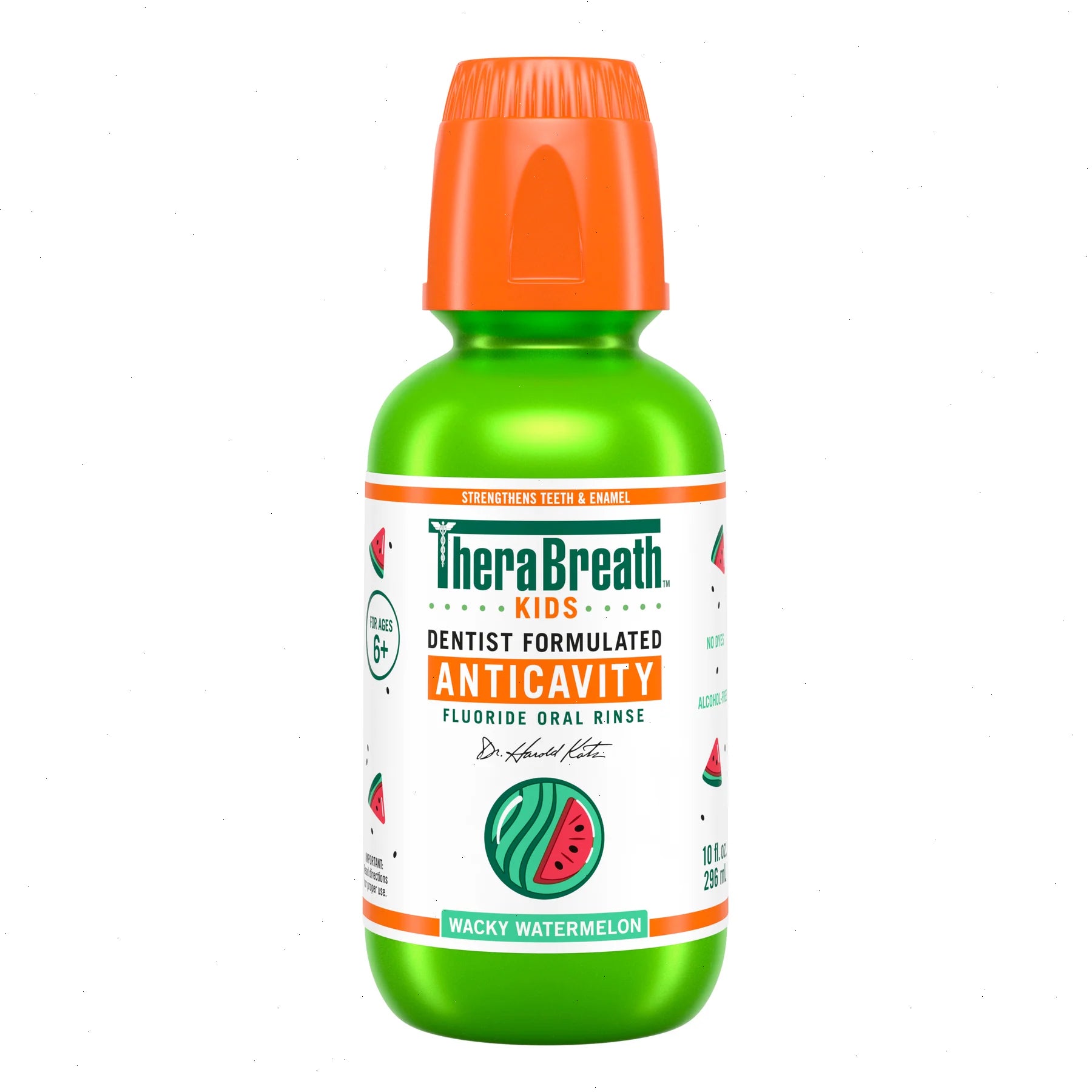
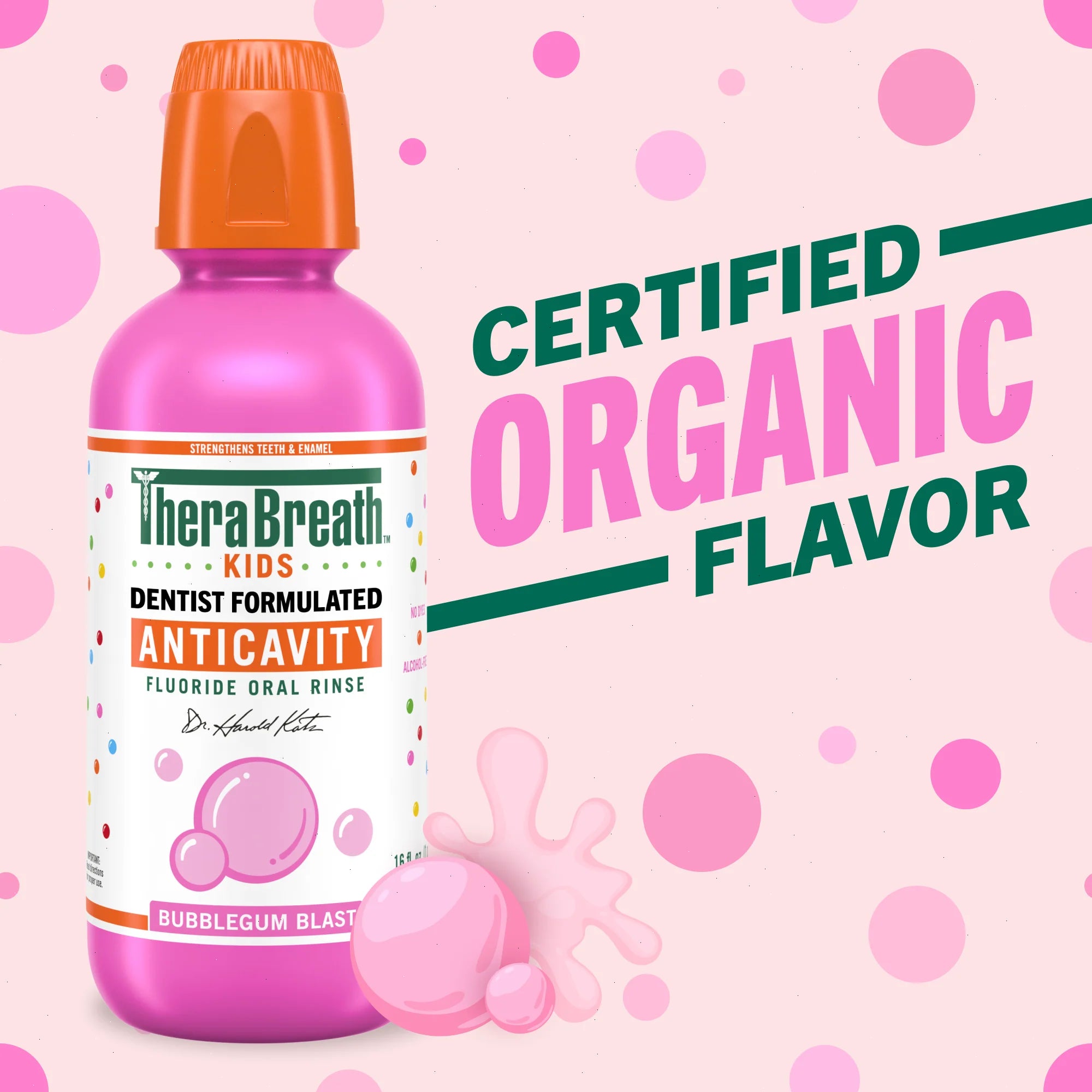
When choosing a mouthwash for your child, consider products specifically formulated for younger users. For example, For Kids! Anticavity Oral Rinse - Wacky Watermelon is an alcohol-free rinse designed to fight cavities while offering a fun, kid-approved watermelon flavor. It's perfect for children aged 6 and up who are ready to add a rinse to their routine. Another excellent option is For Kids! Oral Rinse - Bubblegum Blast, which delivers the same cavity-fighting power in a sweet bubblegum taste that makes brushing and rinsing feel like a treat.
Both of these products are alcohol-free, contain fluoride for cavity protection, and are formulated with children's safety in mind. They also come with clear dosage instructions, making it easy for parents to supervise the correct amount (usually a 10 mL capful).
What About Adult Mouthwashes for Kids?
While some adult mouthwashes are alcohol-free, many contain stronger active ingredients or higher fluoride levels that are unnecessary for children. For instance, Fresh Breath Oral Rinse - Invigorating Icy Mint is an excellent choice for teens and adults, but its intense mint flavor may be too strong for younger kids. Stick to products labeled for children or all-family use until your child reaches adolescence.
How to Introduce Mouthwash to Your Child
If your child is old enough and ready, follow these steps to make the transition smooth and safe:
- Start with a demonstration. Show your child how to pour a small amount (about 10 mL) into the cap, swish gently for 30 seconds, and then spit into the sink.
- Use a timer or song. A 30-second rinse can feel long for a child. Use a fun timer or sing a short song to keep them engaged.
- Stress “spit, don’t swallow.” Practice spitting with water first if needed. Remind them that mouthwash is not a drink.
- Supervise every time. Even after your child masters the technique, check in periodically to ensure they aren't swallowing the rinse.
- Pair with brushing. Mouthwash should complement brushing, not replace it. Have your child brush first, then rinse.
Potential Risks to Watch For
Even with safe products, there are risks to be aware of. If a child swallows a large amount of mouthwash, they may experience nausea, vomiting, or diarrhea. In rare cases, excessive fluoride ingestion can cause dental fluorosis. If you suspect your child has swallowed a significant amount of mouthwash, contact Poison Control or your pediatrician immediately. To minimize risk, always store mouthwash out of reach of young children and use only under supervision.
Signs Your Child Isn’t Ready for Mouthwash
- They still put non-food items in their mouth (e.g., toys, toothpaste tube).
- They cannot reliably spit after brushing.
- They have difficulty following simple instructions.
- They have a strong gag reflex with liquids in the mouth.
The Bottom Line: Is Mouthwash Safe for Kids?
Yes, mouthwash can be safe for kids—when used correctly and at the right age. The key is choosing an alcohol-free, child-friendly formula and providing consistent adult supervision. For children under 6, skip the rinse and focus on brushing with fluoride toothpaste. For kids 6 and older, products like For Kids! Anticavity Oral Rinse - Wacky Watermelon or For Kids! Oral Rinse - Bubblegum Blast offer a safe, effective way to boost cavity protection and freshen breath. Always consult your dentist if you have concerns about your child's specific oral health needs.
Frequently Asked Questions
Can a 4-year-old use mouthwash?
Generally, no. The ADA advises against mouthwash for children under 6 unless a dentist recommends it for a specific condition. At this age, brushing with a pea-sized amount of fluoride toothpaste is sufficient.
What happens if a child swallows mouthwash?
If a small amount is swallowed accidentally, it may cause mild stomach upset. If a larger amount is ingested, contact Poison Control at 1-800-222-1222 (US) or seek medical attention. Alcohol-containing mouthwashes pose greater risk than alcohol-free ones.
Is fluoride mouthwash safe for kids?
Fluoride mouthwash is safe for children who can spit reliably (usually age 6+). However, if your child already uses fluoride toothpaste, an additional fluoride rinse may increase the risk of fluorosis. Talk to your dentist about whether your child needs extra fluoride.
Do kids need mouthwash if they brush well?
Not necessarily. Mouthwash can provide extra protection against cavities and bad breath, but it's not a substitute for proper brushing and flossing. If your child brushes twice a day and flosses regularly, mouthwash is optional but can be a helpful addition.
Ready to find the perfect mouthwash for your child? Explore our full collection of kid-friendly oral rinses designed with safety and flavor in mind. Shop For Kids! Oral Rinse - Bubblegum Blast today and give your child a fun, effective way to fight cavities and enjoy fresh breath!