How to Treat and Prevent Bad Breath During Pregnancy: Safe Oral Care Tips
By Therabreathstore | Published: 2026-05-26
Category: How-to Guides
Learn safe and effective ways to manage bad breath during pregnancy, including oral care tips, product recommendations, and expert advice on gum health and mouthwash use.
Pregnancy brings a whirlwind of changes—joy, anticipation, and yes, some unexpected challenges like bad breath during pregnancy. Hormonal fluctuations, morning sickness, and dietary shifts can all contribute to halitosis, leaving many expectant mothers feeling self-conscious. But you don't have to suffer in silence. With the right pregnancy oral care routine and safe products, you can keep your breath fresh and your gums healthy. This guide covers everything from the causes of bad breath during pregnancy to dentist-approved solutions, including safe mouthwash pregnancy options that protect both you and your baby. Whether you're dealing with dry mouth, gum sensitivity, or just need a reliable breath freshener, we've got you covered.
Why Bad Breath During Pregnancy Happens
Understanding why bad breath during pregnancy occurs is the first step to managing it. Several factors come into play:
- Hormonal changes: Increased progesterone and estrogen can alter the oral microbiome, leading to an overgrowth of bacteria that cause halitosis.
- Morning sickness: Stomach acids from vomiting can erode enamel and leave an unpleasant aftertaste, contributing to bad breath.
- Dry mouth (xerostomia): Pregnancy hormones can reduce saliva production, which is essential for washing away food particles and bacteria.
- Dietary cravings: Sugary snacks or acidic foods can fuel bacterial growth and worsen breath.
- Gum health: Pregnancy gingivitis is common; swollen, bleeding gums can trap bacteria and produce odor.
By addressing these root causes with targeted pregnancy oral care strategies, you can reduce the frequency and intensity of bad breath.
Safe Oral Care Products for Pregnancy
When choosing products for pregnancy oral care, safety is paramount. Many conventional mouthwashes contain alcohol or harsh chemicals that are best avoided during pregnancy. Instead, opt for alcohol-free, gentle formulas that are effective yet safe. Here are some top recommendations from TheraBreathStore:
Alcohol-Free Mouthwashes for Fresh Breath
An alcohol-free oral rinse can help neutralize odors without drying out your mouth further. The Fresh Breath Oral Rinse - Mild Mint is a fantastic choice for pregnant women. Its mild mint flavor is soothing, and the formula contains oxygenating compounds that break down volatile sulfur compounds (VSCs), the primary cause of bad breath. For a more invigorating option, try the Fresh Breath Oral Rinse - Rainforest Mint—it's alcohol-free and packed with natural mint extracts to leave your mouth feeling clean and refreshed.
Gum Health and Dry Mouth Relief
If you're experiencing gum sensitivity or dry mouth, consider a specialized rinse. The Healthy Gums Oral Rinse w/ Added CPC - Clean Mint is designed to support gum health while fighting plaque and bacteria. It's alcohol-free and contains cetylpyridinium chloride (CPC), a gentle antimicrobial. For dry mouth relief, the Dry Mouth Oral Rinse - Tingling Mint provides long-lasting moisture and a pleasant tingle, helping to restore saliva flow and combat bad breath at its source.
How to Build a Pregnancy-Safe Oral Care Routine
Creating a consistent pregnancy oral care routine is key to preventing bad breath. Follow these steps morning and night:
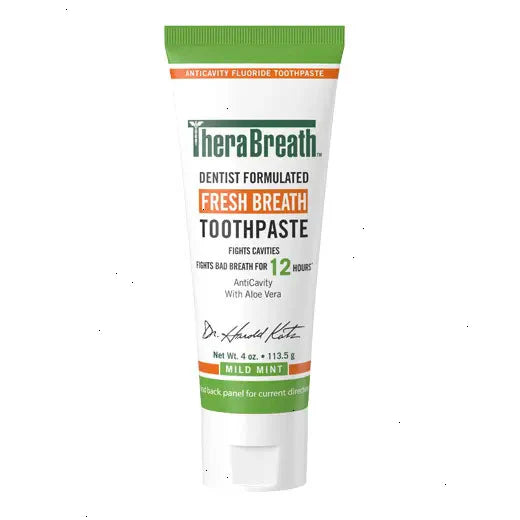
- Brush gently: Use a soft-bristled toothbrush and fluoride toothpaste. The TheraBreath Whitening Toothpaste, Peroxide-Free & Anticavity, Dazzling Mint is an excellent choice—it whitens without harsh peroxides and helps protect against cavities, which can be more common during pregnancy.
- Floss daily: Flossing removes food debris and plaque between teeth, where bacteria thrive. If your gums are tender, use a gentle floss or floss picks.
- Rinse with alcohol-free mouthwash: After brushing and flossing, swish with a safe mouthwash for 30 seconds. An alcohol-free formula like the ones mentioned above ensures you're not adding extra dryness.
- Hydrate throughout the day: Sip water frequently to keep your mouth moist. If you're prone to dry mouth, the Dry Mouth Lozenges - Mandarin Mint can provide on-the-go relief with a refreshing citrus-mint flavor.
- Chew sugar-free gum: After meals or when feeling nauseous, chewing sugar-free gum stimulates saliva production. The Fresh Breath Chewing Gum, Citrus Mint Flavor is a great option that freshens breath and neutralizes acids.
Addressing Gum Health During Pregnancy
Gum health pregnancy is a critical concern. Pregnancy gingivitis affects up to 60–75% of expectant mothers, causing red, swollen, and bleeding gums. This inflammation can contribute to bad breath because bacteria accumulate in the pockets around your teeth. To support your gums:
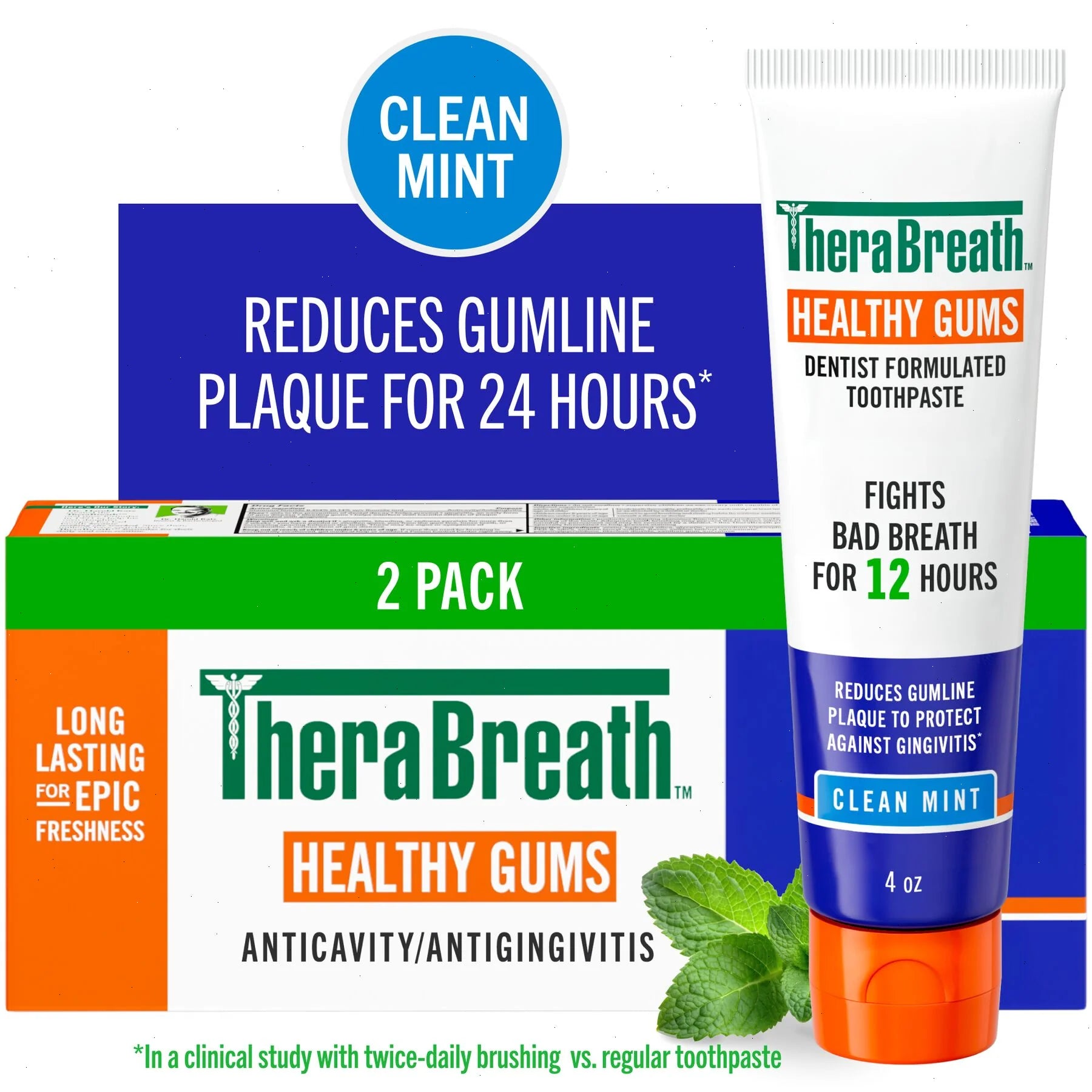
- Use a mouthwash specifically formulated for gum health, such as the Healthy Gums Oral Rinse w/ Added CPC - Clean Mint. It helps reduce plaque and gingivitis without irritating sensitive tissues.
- Consider a toothpaste that targets gum issues, but always check with your dentist first.
- Avoid aggressive brushing—use gentle, circular motions to prevent further irritation.
If you notice persistent bleeding or pain, consult your dentist. Professional cleanings are safe during pregnancy and can significantly improve gum health and breath freshness.
When to See a Dentist
While home care is essential, regular dental visits are crucial during pregnancy. Inform your dentist that you're expecting, as they may recommend specific treatments or adjust their approach. Signs you should schedule an appointment include:
- Chronic bad breath that doesn't improve with improved hygiene.
- Bleeding gums that last more than a few days.
- Tooth pain or sensitivity.
- Loose teeth (a rare but serious symptom).
Your dentist can assess your oral health and suggest safe interventions, such as a professional cleaning or a prescription-strength oral rinse if needed. Remember, maintaining good pregnancy oral care not only protects your breath but also reduces the risk of preterm birth and other complications linked to gum disease.
Natural Remedies for Bad Breath During Pregnancy
Complement your routine with these safe, natural tips:
- Rinse with salt water: Mix 1/2 teaspoon of salt in a cup of warm water and swish for 30 seconds. This soothes gums and reduces bacteria naturally.
- Eat crunchy fruits and vegetables: Apples, carrots, and celery act as natural toothbrushes, scrubbing away plaque and stimulating saliva.
- Drink green tea: Unsweetened green tea contains antioxidants that can reduce oral bacteria. Stick to one cup daily to avoid excess caffeine.
- Use a tongue scraper: Bacteria accumulate on the tongue's surface. Scraping gently each morning can dramatically reduce bad breath.
These remedies are safe for both you and your baby, but they work best when combined with a solid oral care routine and quality products.
Final Thoughts: Embrace a Fresh, Healthy Smile
Bad breath during pregnancy is common but manageable. By understanding the causes and adopting a consistent, safe pregnancy oral care routine, you can keep halitosis at bay and enjoy this special time with confidence. Focus on alcohol-free mouthwashes, gentle toothpaste, and products that support gum health. Don't forget to stay hydrated, eat a balanced diet, and visit your dentist regularly. For a convenient start, explore the Sparkling Smiles TheraBreath Mouthwash Bundle, which combines two powerful alcohol-free rinses perfect for pregnancy—it's an excellent way to ensure you always have a safe and effective option on hand. Take charge of your oral health today and say goodbye to bad breath for good.