How to Read a Mouthwash Ingredient Label: A Consumer’s Guide to Active and Inactive Ingredients
By Therabreathstore | Published: 2026-06-02
Category: How-to Guides
Learn to decode mouthwash labels like a pro. This guide explains active and inactive ingredients, from CPC to fluoride, helping you choose the right alcohol-free formula for fresh breath and healthy gums.
Standing in the oral care aisle, scanning the back of a mouthwash bottle, can feel like reading a foreign language. Between scientific names like cetylpyridinium chloride and terms like "inactive ingredients," it’s easy to grab a familiar brand and move on. But understanding what’s inside that bottle matters—especially if you’re targeting specific concerns like gum health, sensitive teeth, or all-day fresh breath.
This guide will take you through the anatomy of a mouthwash ingredient label, breaking down active and inactive components. By the end, you’ll be able to confidently compare products and choose the best alcohol-free option for your routine, such as the Fresh Breath Oral Rinse - Rainforest Mint or the Deep Clean Oral Rinse - Fresh Mint.
Why Reading a Mouthwash Label Matters
Mouthwash isn’t just a breath freshener—it’s a therapeutic product that can complement brushing and flossing. The U.S. Food and Drug Administration (FDA) classifies many mouthwashes as over-the-counter drugs, meaning they must list active ingredients with proven benefits. Inactive ingredients, while not therapeutic, affect taste, stability, and user experience. Knowing the difference helps you avoid unnecessary additives and target your specific oral health needs.
Active Ingredients: The Therapeutic Core
Active ingredients are the compounds that deliver the mouthwash’s primary benefits—fighting bacteria, reducing plaque, strengthening enamel, or whitening teeth. They’re listed first on the label, often in a dedicated section.
Cetylpyridinium Chloride (CPC): The Antibacterial Powerhouse
CPC is a common antimicrobial agent that targets bacteria responsible for bad breath and gum disease. It works by disrupting bacterial cell membranes. Many TheraBreath formulas, like the Deep Clean Oral Rinse - Fresh Mint, rely on CPC to provide long-lasting freshness without the harshness of alcohol. When scanning labels, look for CPC if your goal is plaque reduction and gingivitis prevention.
Fluoride: Enamel Strengthener and Cavity Fighter
Sodium fluoride or stannous fluoride are the most common forms. Fluoride helps remineralize enamel, making teeth more resistant to acid attacks from bacteria and sugary foods. If you’re prone to cavities, a fluoride mouthwash is a smart addition to your routine. TheraBreath’s TheraBreath Whitening Toothpaste, Peroxide-Free & Anticavity, Dazzling Mint pairs well with a fluoride rinse for comprehensive protection.
Essential Oils: Natural Antimicrobials
Some mouthwashes use essential oils like thymol, menthol, and eucalyptol. These natural compounds can reduce plaque and gingivitis. However, they often require alcohol as a solvent, which can be drying. Alcohol-free options, like TheraBreath’s line, use alternative solubilizers to deliver these benefits without the burn.
Whitening Agents: Peroxide vs. Alternatives
For whitening, some brands use hydrogen peroxide or carbamide peroxide. While effective, peroxide can cause temporary tooth sensitivity in some users. TheraBreath offers peroxide-free whitening solutions, such as the Whitening + Oil Blend Oral Rinse – Smooth Mint, which combines whitening action with gentle ingredients for daily use.
Inactive Ingredients: The Supporting Cast
Inactive ingredients don’t have therapeutic claims but are crucial for the product’s feel, stability, and safety. They make up the bulk of the formula.
Water (Aqua)
Water is the primary solvent, dissolving other ingredients and making the mouthwash easy to rinse. It’s almost always listed first.
Humectants: Keeping It Moist
Glycerin, sorbitol, and propylene glycol are common humectants. They prevent the mouthwash from drying out and give it a pleasant, smooth texture. Sorbitol also acts as a sweetener.
Surfactants: Foaming Agents
Poloxamer 407 or sodium lauryl sulfate (SLS) create foam, helping distribute the mouthwash throughout your mouth. SLS can be irritating for some people with sensitive gums or canker sores—if that’s you, look for SLS-free options.
Flavors and Sweeteners
Natural and artificial flavors (like peppermint oil or spearmint oil) mask the taste of active ingredients. Sweeteners like sucralose or stevia improve palatability without promoting tooth decay. TheraBreath uses naturally derived flavors to create refreshing experiences without harsh aftertastes.
Preservatives
Ingredients like sodium benzoate or potassium sorbate prevent microbial growth in the bottle. They’re generally safe at low concentrations.
Colorants
FD&C Blue No. 1 or Yellow No. 5 are added for visual appeal. If you prefer to avoid artificial colors, check for “no added color” claims.
Alcohol vs. Alcohol-Free: What the Label Reveals
Alcohol (usually ethanol) is a common inactive ingredient in traditional mouthwashes, used as a solvent and preservative. However, it can dry out oral tissues and worsen bad breath over time. TheraBreath specializes in alcohol-free formulas, which rely on CPC and other gentle ingredients to kill bacteria without the burn. Look for the words “alcohol-free” prominently on the front label—the ingredient list will confirm no ethanol is present.
How to Decode a Typical Mouthwash Label: A Step-by-Step Example
Let’s walk through reading a label for a hypothetical TheraBreath mouthwash:
- Active Ingredient: Cetylpyridinium Chloride 0.07% – Antibacterial agent for plaque and gingivitis prevention.
- Inactive Ingredients: Water, Glycerin, Poloxamer 407, Flavor, Sodium Saccharin, Citric Acid, etc. – No alcohol, SLS-free, uses natural flavors.
- Purpose: Antigingivitis, antiplaque, breath freshening.
- Warnings: Keep out of reach of children, do not swallow, etc.
- Directions: Use twice daily after brushing, swish for 30 seconds.
This breakdown shows you exactly what you’re getting and how to use it safely.
Common Misconceptions About Mouthwash Ingredients
Myth 1: “Alcohol-free means it doesn’t work as well.” False. TheraBreath’s alcohol-free formulas use CPC and other ingredients to effectively kill bacteria—often better than alcohol-based options because they don’t dry out tissues.
Myth 2: “Natural ingredients are always better.” Not necessarily. Natural doesn’t guarantee effectiveness. Look for clinically proven active ingredients, regardless of source.
Myth 3: “More ingredients equal better results.” No. A simple, well-formulated mouthwash with targeted active ingredients is often more effective than a long list of additives.
How to Choose the Right Mouthwash Based on Ingredients
| Your Concern | Look For | Product Example |
|---|---|---|
| Bad breath / plaque | CPC | Fresh Breath Oral Rinse - Rainforest Mint |
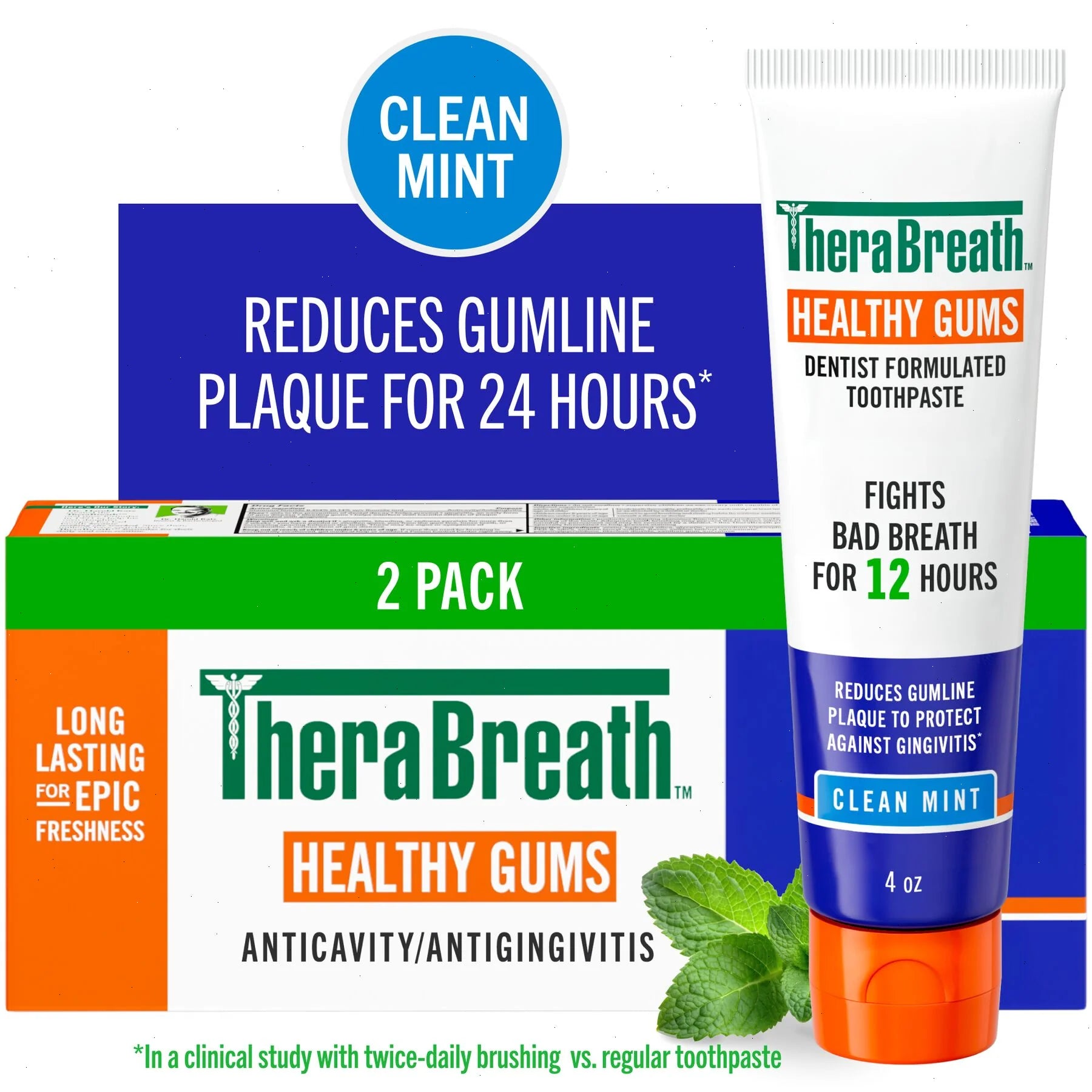
| Gum health | CPC + fluoride | Healthy Gums Oral Rinse & Toothpaste Bundle |
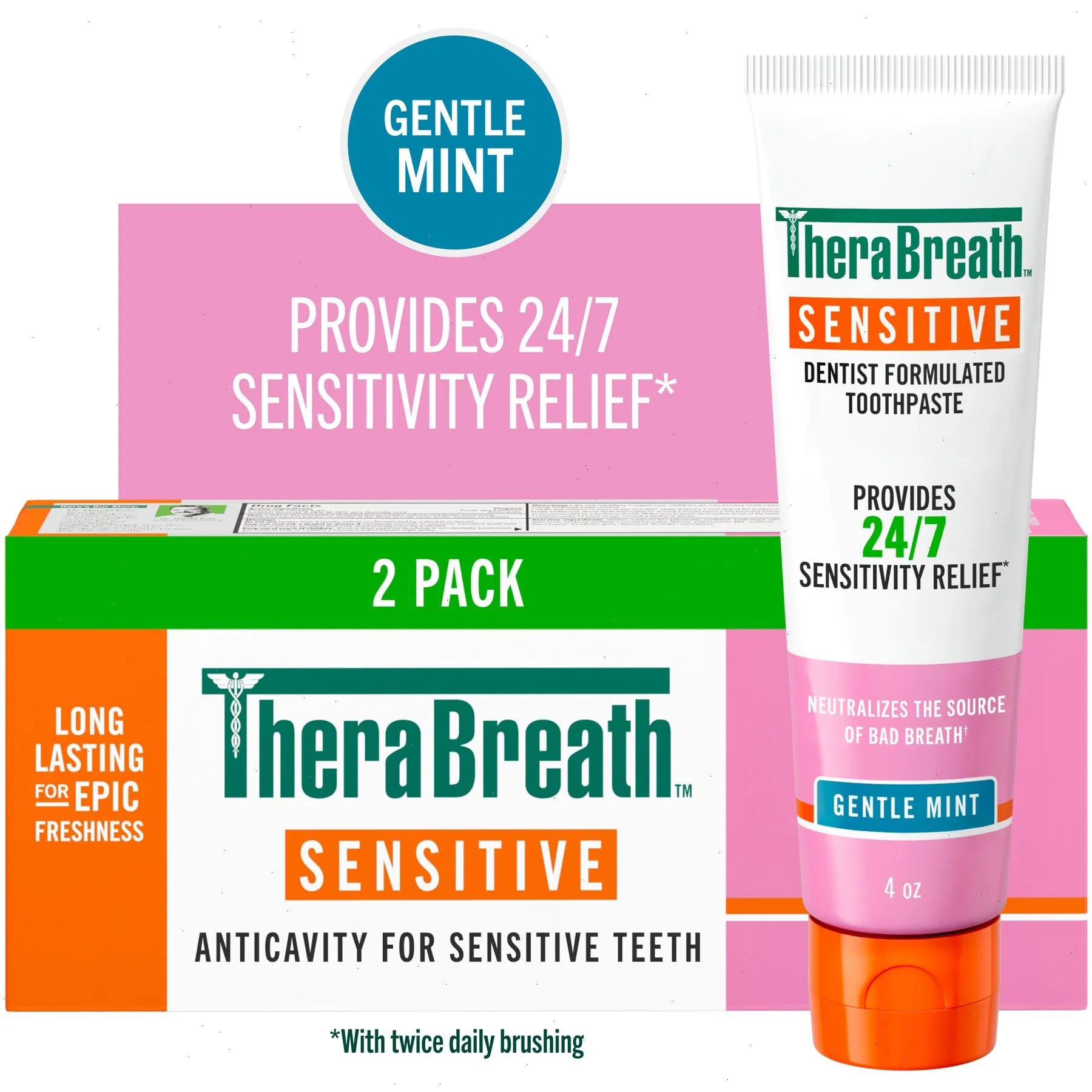
| Sensitive teeth | Potassium nitrate / stannous fluoride | TheraBreath Sensitive Toothpaste |
| Whitening | Peroxide-free whitening agents | Whitening + Oil Blend Oral Rinse – Smooth Mint |
| Dry mouth / overnight care | Alcohol-free, moisturizing humectants | Overnight Oral Rinse - Chamomile Mint |
For example, if you’re targeting gum health, the Healthiest Gums TheraBreath Mouthwash Bundle combines two targeted rinses to fight gingivitis. If you want a travel-friendly breath fix, the Fresh Breath Chewing Gum, Citrus Mint Flavor offers on-the-go freshness without any label deciphering.
Final Tips for Smart Mouthwash Shopping
- Check the active ingredient list first – It tells you the primary benefit.
- Look for the ADA Seal of Acceptance – This ensures the product meets safety and efficacy standards.
- Avoid alcohol if you have dry mouth or sensitive gums – Alcohol-free formulas are gentler and more hydrating.
- Read the full ingredient list for irritants – If you have canker sores, skip SLS.
- Consider a bundle – TheraBreath’s bundles, like the Brightest Smile TheraBreath Mouthwash Bundle, offer variety for different needs.
Conclusion
Reading a mouthwash label doesn’t have to be overwhelming. Once you understand the roles of active and inactive ingredients, you can quickly identify which product aligns with your oral health goals. Whether you prioritize fresh breath, gum health, or whitening, TheraBreath offers alcohol-free options backed by science. Next time you’re shopping, take 30 seconds to scan the label—your smile will thank you.
Ready to upgrade your oral care routine? Explore the Fresh Breath Oral Rinse - Rainforest Mint for a refreshing, alcohol-free way to keep your breath fresh all day.