How to Choose the Right Mouthwash for Your Oral Health Needs: A Complete Oral Rinse Comparison
By Therabreathstore | Published: 2026-05-23
Category: Product Reviews
Discover how to choose the best mouthwash for your oral health needs. Compare alcohol-free, therapeutic, and specialty rinses to combat bad breath, whiten teeth, or reduce gum issues.
Selecting the perfect mouthwash can feel overwhelming when you're standing in the dental care aisle faced with dozens of options. From bright blue liquids promising instant fresh breath to herb-infused rinses targeting gum health, each bottle claims to solve a different problem. Yet many people end up choosing based on flavor or packaging rather than what their mouth actually needs. This comprehensive oral rinse comparison will guide you through the key factors—ingredients, alcohol content, therapeutic benefits, and specific concerns like chronic bad breath or sensitive gums—so you can confidently pick the best mouthwash for your unique oral health goals. Whether you're looking for an alcohol-free mouthwash, a mouthwash for bad breath, or a therapeutic mouthwash to support daily hygiene, understanding these differences makes all the difference.
Understanding the Basics: What Does Mouthwash Actually Do?
Mouthwash, also known as oral rinse, serves as a complementary step to brushing and flossing. It reaches areas that a toothbrush might miss—between teeth, along the gumline, and on the tongue—to reduce bacteria, freshen breath, and sometimes deliver active ingredients like fluoride or antimicrobial agents. However, not all mouthwashes are created equal. They generally fall into two categories: cosmetic and therapeutic.
Cosmetic mouthwashes temporarily mask bad breath with a pleasant flavor but do little to address the underlying bacterial causes. Therapeutic mouthwashes, on the other hand, contain active ingredients such as cetylpyridinium chloride, chlorhexidine, essential oils, or oxygenating molecules that actively reduce plaque, gingivitis, or bacteria. If you're searching for a mouthwash for bad breath that works long-term, a therapeutic formula is almost always the better investment.
Key Factor #1: Alcohol vs. Alcohol-Free Mouthwash
One of the most debated topics in oral care is whether to choose an alcohol-based or alcohol-free mouthwash. Alcohol (typically ethanol) was historically added to many rinses as a solvent for active ingredients and to provide a “burning” sensation that users associate with effectiveness. But alcohol can be problematic:
- Dryness: Alcohol is a drying agent. For people prone to dry mouth (xerostomia), alcohol-based rinses can worsen the condition, leading to more bacteria growth and bad breath over time.
- Irritation: Those with sensitive gums or oral sores may find alcohol stings and aggravates the tissue.
- Missed opportunity: The burning sensation doesn't correlate with better cleaning—it's simply a physical reaction.
An alcohol-free mouthwash uses alternative solubilizers like glycerin or propylene glycol and often relies on oxygenating compounds (such as the patented OXYD-8 molecule found in TheraBreath formulas) to neutralize volatile sulfur compounds (VSCs) that cause bad breath. This makes alcohol-free options ideal for daily use, especially if you struggle with chronic halitosis or dry mouth. For instance, the Fresh Breath Oral Rinse - Rainforest Mint is an alcohol-free therapeutic rinse that targets odor-causing bacteria without the harsh burn, making it a top pick for long-term fresh breath support.
Key Factor #2: Targeting Specific Oral Health Concerns
Bad Breath (Halitosis)
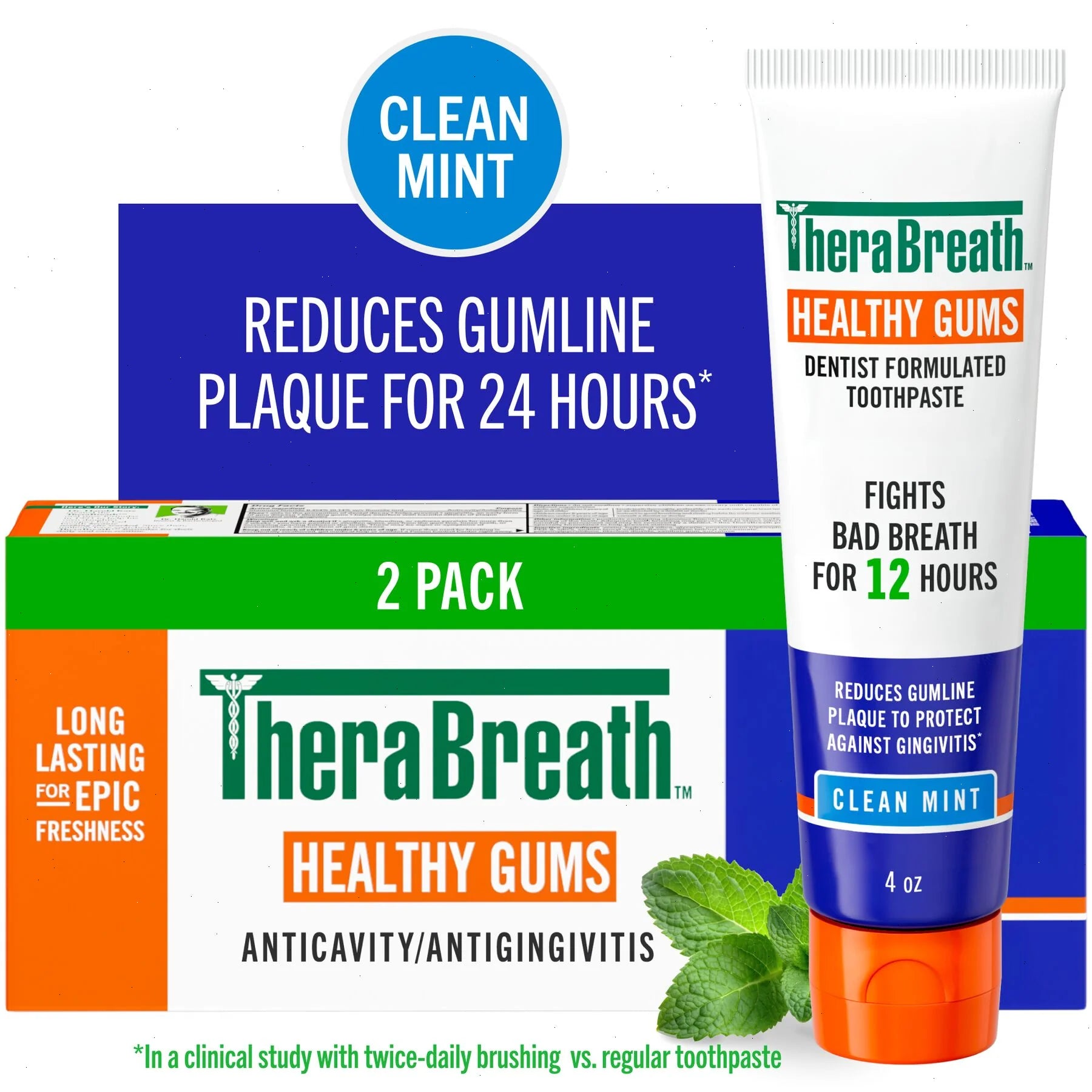
If your primary concern is persistent bad breath, look for an oral rinse comparison that highlights formulas designed to neutralize VSCs rather than just mask odors. Ingredients like zinc chloride, chlorine dioxide, and sodium chlorite are effective at chemically breaking down sulfur compounds. The best mouthwash for bad breath works by creating an oxygen-rich environment that anaerobic bacteria cannot survive in. Many TheraBreath products, including the Fresh Breath Chewing Gum, Citrus Mint Flavor, complement a good rinse by keeping breath fresh on the go. For a full-system approach, consider a bundle that pairs a daily rinse with a toothpaste: the TheraBreath Fresh Breath Oral Rinse & Healthy Gums Toothpaste Bundle delivers both fresh breath and gum support in one convenient package.
Gum Health
For those with gingivitis, bleeding gums, or early periodontitis, a therapeutic mouthwash with antibacterial properties is essential. Ingredients like essential oils (thymol, eucalyptol, menthol) or cetylpyridinium chloride can reduce plaque and inflammation. But be careful—some harsh antiseptics may disrupt the oral microbiome if used long-term. A balanced option includes oxygenating ingredients that fight bacteria without stripping beneficial flora. The Healthiest Gums TheraBreath Mouthwash Bundle combines rinses specifically formulated to promote gum tissue health while keeping breath fresh.
Whitening
If you desire a brighter smile, whitening mouthwashes typically contain low concentrations of hydrogen peroxide or other bleaching agents. They are gentler than whitening strips but can help maintain results over time. However, they may not be suitable for sensitive teeth. The Brightest Smile TheraBreath Mouthwash Bundle offers a whitening-focused rinse that also soothes sensitivity, making it a smart choice for daily use.
Dry Mouth
Dry mouth sufferers need an alcohol-free mouthwash that also contains moisturizing agents like xylitol or aloe vera. Avoid anything with alcohol or strong detergents (SLS). A rinse that promotes saliva production can dramatically improve comfort and reduce cavity risk. The TheraBreath AM + PM Mouthwash Bundle includes a morning rinse for daytime hydration and an overnight formula that works while you sleep—perfect for those who wake up with dry mouth.
Factor #3: Concentration and Usage Frequency
Not all mouthwashes are meant to be used the same way. Some therapeutic rinses (like those containing chlorhexidine) are prescribed for short-term use after dental procedures or for severe gum disease. Over-the-counter options are generally safe for twice-daily use. Always read the label: some concentrated formulas require dilution, while ready-to-use rinses can be poured straight from the bottle. For most people, a standard 30-second swish with 15–20 mL is sufficient.
If you travel frequently or want to try multiple flavors, a variety pack can be a smart way to discover your preference. The Travel-Size Mouthwash - TheraBreath Variety 6-Pack Bundle lets you sample different formulas—from Rainforest Mint to Icy Spearmint—in convenient TSA-friendly sizes, so you never skip your routine on the road.
Oral Rinse Comparison: Quick Reference Table
| Oral Health Goal | Mouthwash Type | Key Ingredients to Look For | Recommended Product Example |
|---|---|---|---|
| Chronic Bad Breath | Alcohol-free, oxygenating | OXYD-8, zinc, chlorine dioxide | Fresh Breath Oral Rinse - Rainforest Mint |
| Gum Health | Therapeutic, antibacterial | Essential oils, CPC, oxygenating agents | Healthiest Gums TheraBreath Mouthwash Bundle |
| Whitening | Low-concentration peroxide | Hydrogen peroxide, fluoride | Brightest Smile TheraBreath Mouthwash Bundle |
| Dry Mouth | Alcohol-free, moisturizing | Xylitol, aloe vera, OXYD-8 | AM + PM Mouthwash Bundle |
| Daily Freshness | Alcohol-free, cosmetic-therapeutic blend | OXYD-8, mild flavoring | Travel-Size Variety 6-Pack Bundle (to test flavors) |
How to Read a Mouthwash Label Like a Pro
When comparing products, pay attention to these label details:
- Active ingredients: Listed first. For bad breath, look for “zinc chloride,” “sodium chlorite,” or “OXYD-8.” For gum health, “cetylpyridinium chloride” or “essential oils.”
- Alcohol content: If it says “0% alcohol,” it's an alcohol-free mouthwash.
- Fluoride: Helps prevent cavities. Not always present in rinses targeting breath or whitening.
- ADA Seal of Acceptance: Indicates the product has been tested for safety and efficacy. Many TheraBreath products carry this seal.
- Expiration date: Active ingredients degrade over time. Old mouthwash may lose potency.
Common Mistakes When Choosing Mouthwash
Mistake #1: Choosing based on flavor alone. A minty taste doesn't equate to effectiveness. Some of the best therapeutic mouthwash options have a mild or neutral flavor because they avoid artificial sweeteners that can feed bacteria.
Mistake #2: Over-using a cosmetic rinse. These can actually worsen bad breath by drying out your mouth or leaving a sugary residue. Stick with therapeutic formulas for real results.
Mistake #3: Rinsing immediately after brushing. This washes away the concentrated fluoride from your toothpaste. Ideally, use mouthwash at a separate time of day—like after lunch or before bed—or wait at least 30 minutes after brushing.
Mistake #4: Ignoring your specific needs. A one-size-fits-all approach rarely works. If you have multiple concerns, consider a bundle that addresses them simultaneously rather than buying separate bottles.
When to Consult a Dentist
While over-the-counter mouthwashes are excellent for maintenance, persistent bad breath, bleeding gums, or tooth sensitivity may signal an underlying issue that requires professional care. Always follow your dentist's recommendations, especially if you have periodontal disease, ongoing dry mouth, or are undergoing orthodontic treatment. A therapeutic mouthwash can be a powerful adjunct, but it is not a substitute for regular checkups and cleanings.
Final Tips for Incorporating Mouthwash into Your Routine
To get the most out of your chosen rinse:
- Measure the correct dose (usually 15–20 mL) using the cap.
- Swish for the full 30–60 seconds as directed, making sure to pass the liquid between teeth.
- Do not dilute with water unless the label says so.
- Avoid eating or drinking for 30 minutes afterward to let active ingredients work.
- Store in a cool, dark place to preserve ingredient stability.
Choosing the best mouthwash doesn't have to be complicated. By focusing on your primary need—whether it's eliminating bad breath, soothing gums, brightening enamel, or combating dry mouth—you can narrow the field to a few targeted options. An oral rinse comparison based on ingredients rather than marketing claims will serve you far better in the long run. Remember, the right alcohol-free mouthwash can transform your daily oral care from a chore into a refreshing step toward lasting confidence.
If you're ready to upgrade your oral hygiene routine, explore the TheraBreath Fresh Breath Oral Rinse & Healthy Gums Toothpaste Bundle today. It combines a clinically proven, alcohol-free rinse with a fluoride toothpaste designed to strengthen gums and neutralize odor—a complete solution for fresh breath and healthier gums in one simple step. Your smile will thank you.