The Best Oral Care Routine for People Who Snore: Fresh Breath and Dry Mouth Solutions
By Therabreathstore | Published: 2026-05-29
Category: How-to Guides
Discover the ultimate oral care routine for snorers. Learn how to combat dry mouth, prevent morning breath, and wake up feeling fresh with expert tips and TheraBreath products.
Snoring doesn't just disturb your partner's sleep—it can wreak havoc on your oral health. If you wake up with a dry, sticky mouth and less-than-fresh breath, you're not alone. Snoring often forces you to breathe through your mouth overnight, which dries out saliva—your mouth's natural defense against bacteria. This leads to morning breath, increased plaque buildup, and even gum irritation. In this guide, we'll walk you through the best oral care routine for people who snore, focusing on dry mouth solutions and fresh breath strategies that really work.
Why Snoring Leads to Dry Mouth and Bad Breath
When you snore, your mouth tends to fall open, allowing air to flow over your tongue and gums. This airflow evaporates saliva, leaving your oral tissues parched. Saliva is essential for washing away food particles, neutralizing acids, and controlling bacteria. Without enough saliva, bacteria multiply rapidly, producing sulfur compounds that cause bad breath. According to the American Dental Association, chronic dry mouth (xerostomia) can also increase your risk of cavities, gum disease, and oral infections. That's why snorers need a targeted oral care routine for dry mouth that goes beyond standard brushing.
The Ideal Morning Oral Care Routine for Snorers
Starting your day with the right steps can neutralize overnight bacteria and rehydrate your mouth. Here's a step-by-step routine designed for people who snore.
1. Rinse First Thing in the Morning
Before you even brush, use an alcohol-free mouthwash to rinse away the bacteria that built up overnight. Alcohol-based rinses can worsen dryness, so choose a hydrating formula. The TheraBreath Deep Clean Oral Rinse & Toothpaste Bundle is a great starter kit—it includes an oxygenating rinse that targets volatile sulfur compounds (the cause of bad breath) without drying alcohol. Swish for 30 seconds to refresh your mouth and prepare it for brushing.
2. Brush with a Moisturizing Toothpaste
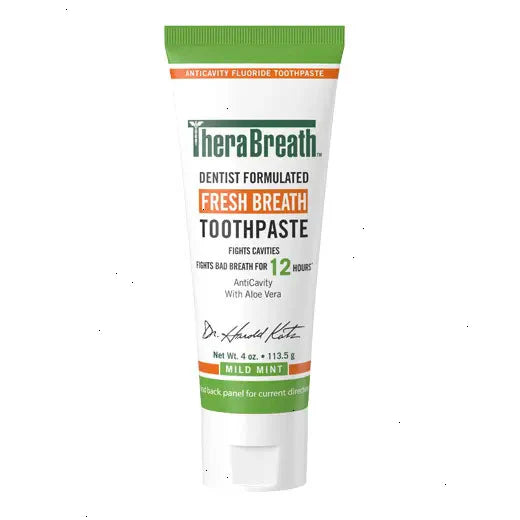
Use a toothpaste that fights bad breath and supports gum health. The TheraBreath Deep Clean Toothpaste, Helps Fight Bad Breath, Fresh Mint is an excellent choice—it contains fluoride for cavity protection and oxygenating ingredients that neutralize odor-causing bacteria. Brush for a full two minutes, paying special attention to your tongue, where bacteria accumulate overnight.
3. Don't Skip the Tongue Scraper
Snorers often have a coated tongue because saliva isn't flowing to clean it. Use a tongue scraper every morning to remove the biofilm of bacteria and debris. This single step can dramatically reduce morning breath and improve your overall oral hygiene.
A Nighttime Routine to Prevent Dry Mouth While You Sleep
Prevention is key. By optimizing your pre-sleep routine, you can minimize dryness and keep your mouth comfortable through the night.
1. Hydrate Before Bed (But Wisely)
Drink a glass of water about 30 minutes before sleeping. Avoid caffeinated or alcoholic beverages, as they can dehydrate you further. If you wake up thirsty, keep a water bottle on your nightstand.
2. Use a Dry Mouth-Specific Mouthwash
Just before you hit the pillow, swish with a rinse designed for nighttime use. The Stay Icy Bundle: 2 Mouthwash & 1 Pack Gum in Invigorating Icy Mint is perfect for snorers—it includes two bottles of alcohol-free mouthwash with a long-lasting cool sensation, plus a pack of gum for daytime breath refreshment. The mouthwash's oxygenating action continues to work even as you sleep, reducing bacterial buildup.
3. Consider a Humidifier in Your Bedroom
Dry air in your bedroom can worsen dry mouth. A humidifier adds moisture to the air, which can help keep your throat and mouth from drying out as you snore. This is especially helpful during winter months when indoor heating reduces humidity.
Daytime Habits to Support Oral Health for Snorers
Your routine shouldn't stop at morning and night. Small daytime habits can make a big difference.
Stay Hydrated Throughout the Day
Carry a water bottle and sip regularly. Saliva production depends on overall hydration. Aim for at least 8 glasses of water daily—more if you exercise or live in a dry climate.
Chew Sugar-Free Gum to Stimulate Saliva
After meals or when your mouth feels dry, chewing sugar-free gum can stimulate saliva flow. The Chewing Gum, Invigorating Icy Mint Flavor from TheraBreath is an excellent option—it's sweetened with xylitol, which also helps fight cavities, and the icy mint flavor keeps your breath fresh for hours.
Avoid Mouth-Breathing During the Day
If you're a habitual mouth-breather, try to consciously breathe through your nose. This practice can reduce the severity of snoring and keep your mouth moist. If nasal congestion is an issue, consult your doctor about allergy treatments or nasal strips.
Additional Products and Tips for Snorers
Beyond your daily routine, consider these specialized products and strategies.
Travel-Friendly Oral Care for Snorers
If you travel frequently, sleep environments change, which can worsen snoring and dry mouth. Pack a travel-sized mouthwash to maintain your routine on the go. The Travel-Size Mouthwash - TheraBreath Variety 6-Pack Bundle gives you six different flavors in TSA-approved bottles, so you never have to skip your evening rinse.
Watch Your Sleep Position
Sleeping on your back can make snoring and mouth-breathing worse. Try sleeping on your side to keep your airway open and reduce the chances of your mouth falling open. A body pillow can help maintain this position.
Use a Saliva Substitute if Needed
For severe dry mouth, over-the-counter saliva substitutes (sprays or gels) can provide temporary relief. However, these should complement, not replace, a good oral care routine.
When to See a Dentist or Doctor
If your dry mouth and snoring persist despite these changes, it's time to consult a professional. Your dentist can check for signs of gum disease or cavities exacerbated by dryness. A doctor may evaluate you for sleep apnea, a serious condition that often involves loud snoring and frequent breathing pauses. Treating the underlying cause of snoring can dramatically improve your oral health and overall well-being.
Conclusion: Wake Up Refreshed and Confident
Snoring doesn't have to mean waking up with bad breath and a dry, uncomfortable mouth. By adopting a dedicated oral care routine for snorers, you can neutralize bacteria, stimulate saliva, and keep your breath fresh all night long. Start with the basics: an alcohol-free mouthwash, a fluoride toothpaste, and a tongue scraper. Then, incorporate small daytime habits like hydration and sugar-free gum. With the right products and consistency, you'll notice a real difference in your morning comfort and confidence.
Ready to upgrade your nightly routine? Explore the Stay Icy Bundle—it's the perfect all-in-one solution for snorers who want fresh breath and dry mouth relief. Try it tonight and wake up feeling amazing.